Tesla Ends Production Of The Model S and Model X. Why?
The move is shocking to fans, but experts agree that it could make a lot of sense in the near future. However, it’s a gamble nonetheless.
After more than a decade as Tesla’s flagship vehicles, Tesla ends production of the model S and model X. Elon Musk confirmed that Tesla plans to wind down production of both models as the company shifts its focus toward autonomous vehicles and robotics.
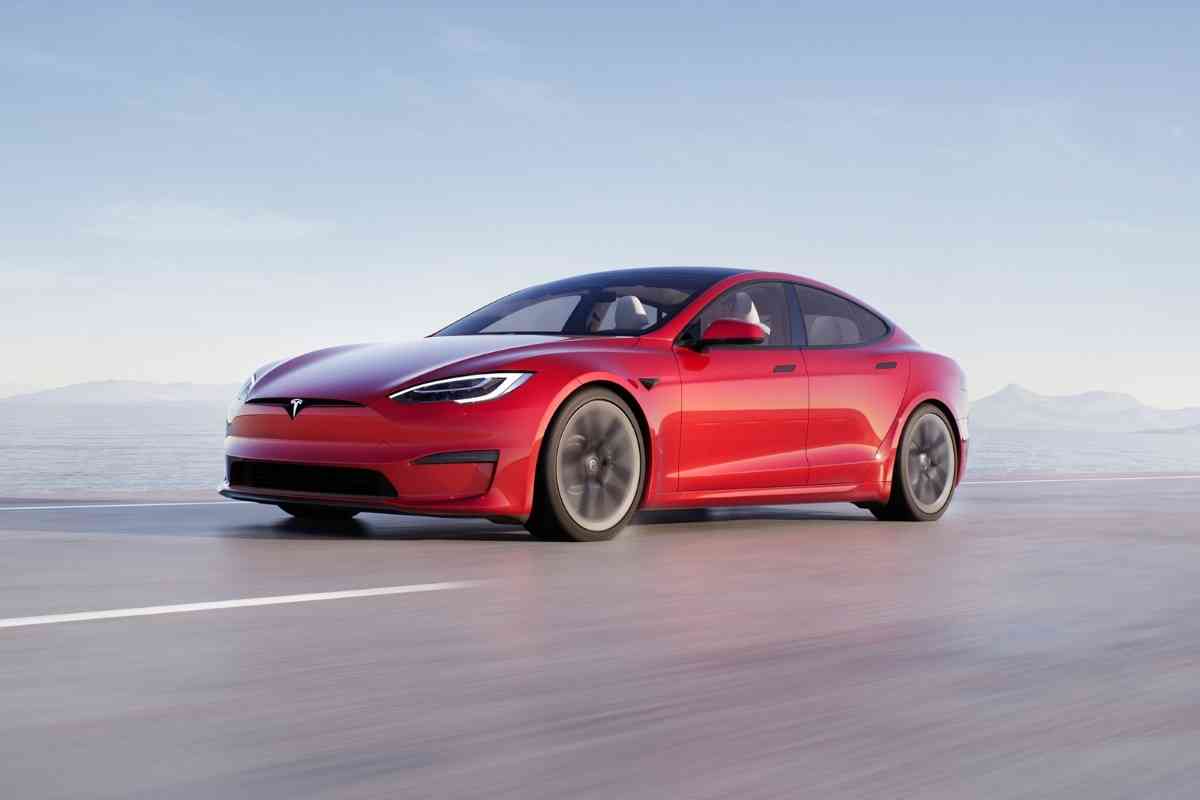
For longtime Tesla fans, it’s the end of an era—but from a business standpoint, the move is highly strategic.

“Drive Past Myths: Get the Real Deal on Car Buying!”
🚘 Uncover 13 Car Buying Misconceptions with Our FREE Newsletter!
Plus you will get our quick tips, expert advice, and myth-busting insights delivered straight to your inbox.
Subscribe now and make informed decisions without the detours.
“Experts Hate This! Learn the Car Buying Secrets They Don’t Want You to Know. Free Subscription!”
Here’s Why Tesla Ends Production Of The Model S and Model X
When they launched, the Model S and Model X were revolutionary. The Model S proved that electric cars could be fast, luxurious, and desirable. The Model X pushed boundaries with its falcon-wing doors and family-friendly performance. But times have changed.
According to NBC News, Musk said Tesla no longer needs the S and X as “halo cars” because the company’s newer vehicles now carry the brand’s mainstream appeal.
Sales volumes for the two models have steadily declined, especially compared with the Model 3 and Model Y, which dominate Tesla’s global deliveries. Maintaining low-volume, high-complexity vehicles no longer fits Tesla’s growth strategy.
Here’s what some people say about the fact that Tesla ends production of the Model S and Model X:
The Real Focus: Robots and Autonomy
The biggest reason behind why Tesla ends production of the Model S and Model X isn’t declining demand alone—it’s allocation of resources. Tesla is betting its future on autonomous driving, AI, and robotics. As Fox Business reports, Musk wants Tesla’s factories and engineering talent focused on next-generation products like robotaxis and the Optimus humanoid robot, rather than on aging luxury models that contribute little to overall revenue.
The Model S and X are also expensive to build. Their aluminum-intensive platforms, unique components, and low economies of scale make them less profitable than Tesla’s mass-market vehicles. In a world where Tesla wants to scale autonomy and software-driven revenue, those costs are hard to justify.
A Smart Financial Move
MarketWatch argues that killing off the Model S and X is actually a smart long-term play. While the cars still have loyal fans, they account for a tiny fraction of Tesla’s total sales. By contrast, the Model Y is one of the best-selling vehicles—electric or otherwise—on the planet.
As Tesla ends production of the Model S and Model X, it can improve margins, reduce manufacturing complexity, and focus on products with the highest growth potential.
This mirrors what other automakers have done when retiring iconic but low-volume models to chase profitability and scale.
What This Means for Tesla—and Buyers
For Tesla, the move signals a clear shift away from traditional “car company” thinking. The future Musk envisions isn’t about selling luxury sedans and SUVs—it’s about software, autonomy, and machines that drive themselves. In that vision, the Model S and X are relics of Tesla’s first chapter.
For consumers, it means fewer high-end Tesla options but also a clearer brand direction.
Buyers looking for luxury EVs will increasingly turn to rivals like Porsche, Mercedes-Benz, and Lucid, while Tesla doubles down on mass-market vehicles and autonomous tech.
It could also mean that the company sinks itself by not having a clear path, however that’s unlikely, because it will continue to sell its best product.
The End of an Era, Not a Retreat
Ending production of the Model S and Model X isn’t a sign that Tesla is struggling. It’s a sign the company is moving on. Musk is effectively closing the book on the cars that made Tesla famous—so he can write the next chapter, one built around robots, AI, and a future where the car itself may no longer need a driver at all.
Tesla Ends Production Of The Model S and Model X.
See the full article for details.