Can You Flat Tow a Nissan Murano? The Surprising Truth for RVers

If you’ve ever thought about hooking your Nissan Murano up to your RV for a cross-country adventure, you’re not alone. But here’s the truth that might save you thousands in repair bills. Nissan does not recommend flat towing the Murano with all four wheels on the ground because it can cause severe damage to the continuously variable transmission (CVT). The lack of lubrication while being towed will harm internal parts, and that’s not a cheap fix.

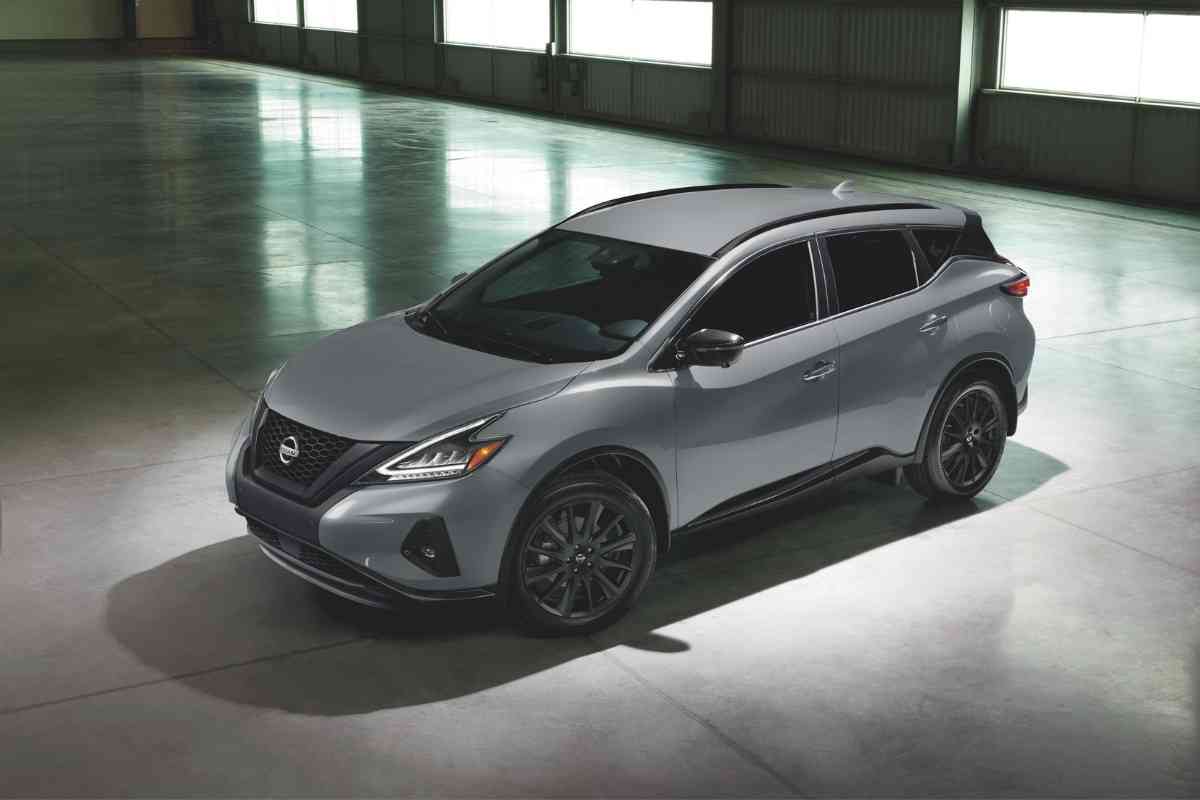
photo of a silver nissan murano inside of a warehouse

The Ultimate Guide To Flat-Towing A Nissan MuranoCan You Flat Tow a Nissan Murano? The Surprising Truth for RVers

We’ve all been there, standing in a campground parking lot, watching other RVers unload their dinghies with ease and wondering if our own SUV could tag along the same way. The Murano is a fantastic vehicle with great cargo space and comfortable handling, but flat towing just isn’t in its wheelhouse. Nissan’s official guidance warns against flat towing front-wheel-drive CVT vehicles because the transmission pump needs to be running to keep everything properly oiled.

That doesn’t mean you’re out of options though. There are safer ways to bring your Murano along on your travels without risking a transmission meltdown. We’ll walk you through why flat towing is risky for this SUV, what alternatives actually work, and how the Murano stacks up against other vehicles when it comes to towing behind an RV.

Key Takeaways

Flat Towing Basics: What You Really Need to Know

Flat towing keeps all four wheels on the ground, which sounds simple but puts unique stress on your car’s drivetrain. Understanding how it differs from other methods and why your transmission care matters can save you thousands in repair bills.

Flat Towing vs. Other Tow Methods

When we talk about flat towing, also called dinghy towing, we mean pulling a vehicle behind an RV or truck with all four wheels rolling on the pavement. There’s no trailer involved. The towed car just follows along like a patient dog on a leash.

This differs from using a trailer, where your vehicle rides completely off the ground on a flatbed or enclosed hauler. It also differs from a tow dolly, which lifts the front wheels while the rear wheels roll.

Why does this matter? Each method puts different demands on your car. A trailer means zero wear on the vehicle being hauled. A dolly protects the front drivetrain but leaves the rear exposed. Flat towing means every component that normally works when you drive is now being dragged along for the ride.

Most RV owners prefer flat towing because it’s easier to maneuver and doesn’t require storing a heavy trailer. But that convenience comes with risk if your vehicle wasn’t designed for it.

How Flat Towing Impacts Transmissions

Here’s the big issue we see all the time. When you drive normally, your engine runs and keeps transmission fluid circulating. That fluid lubricates and cools internal parts.

When you flat tow, the wheels turn and spin the transmission’s internal gears. But in most cars, the engine isn’t running. That means no fluid pump working. No lubrication happening. Just metal grinding against metal while you cruise at highway speeds.

This destroys transmissions. We’ve seen owners tow a front-wheel-drive car just once and come back to a transmission that needs a full rebuild costing $3,000 or more.

Manual transmissions handle this better since they don’t rely on powered fluid pumps. Four-wheel-drive trucks with transfer cases in neutral can disconnect the drivetrain entirely. But your average front-wheel-drive sedan? It’s not built for this kind of abuse.

Why Owner’s Manuals Matter

We always tell people to crack open the owner’s manual before towing a vehicle. Manufacturers know exactly what their cars can handle. If flat towing will cause damage, they’ll say so clearly.

Some manuals give specific instructions for flat towing. They might tell you to start the engine every few hours or limit speeds to 55 mph. Others say flat out that towing with wheels down voids your warranty.

Don’t skip this step. We’ve met folks who assumed their car was fine to flat tow because it “seemed sturdy” or because a friend did it once without problems. Then they ended up stranded with a destroyed transmission hundreds of miles from home.

Your owner’s manual is the legal word on what’s safe. If it says no flat towing, believe it.

Can You Flat Tow a Nissan Murano?

Nissan doesn’t recommend flat towing the Murano behind your RV, and for good reason. The automatic transmission and CVT setup in these SUVs weren’t built to handle being dragged down the highway with all four wheels on the pavement.

Nissan’s Official Word on Flat Towing

We’ve dug through Nissan’s official guidelines on flat towing, and the message is clear. They don’t want you doing it.

The manufacturer explicitly states that flat towing can cause severe transmission damage. Their owner’s manuals and service bulletins warn against towing any front-wheel drive Murano with all four wheels down.

Nissan’s approach to flat towing differs from American automakers. They simply don’t design their vehicles with this use case in mind. If you try it anyway, you’re voiding warranties and risking a costly repair bill.

The official guidance says to use a trailer or tow dolly instead. That keeps the front wheels off the ground and protects the drivetrain.

Which Murano Models Are Eligible (If Any)?

Here’s the straight answer: none of them are officially approved for flat towing.

Every Nissan Murano since its debut has come with either an automatic transmission or CVT paired with front-wheel drive or all-wheel drive. We’ve never seen a manual transmission option for the Murano.

Some owners have tried workarounds like disconnecting the driveshaft or modifying the transmission, but these aren’t factory-approved methods. You’re taking a gamble with your vehicle’s health.

The problem applies across all model years. Whether you’ve got a 2009 or a 2025 Murano, the answer stays the same.

Why Transmission Type Is the Dealbreaker

The transmission needs constant lubrication to survive. In a normal drive situation, the engine powers a pump inside the transmission that keeps everything properly oiled.

When you flat tow, the wheels turn and spin internal transmission parts. But the engine isn’t running, so that pump isn’t working. Metal grinds on metal without proper lubrication.

CVTs are especially vulnerable because they rely on specific oil pressure and flow. The CVT in modern Muranos makes flat towing even more risky than older automatic transmissions.

Even all-wheel drive models with a transfer case can’t solve this problem. The front-wheel drive architecture means the transmission is always engaged to the front wheels during flat towing.

Risks and Consequences of Flat Towing the Murano

Flat towing a Nissan Murano isn’t just a bad idea. It can destroy your transmission and cost you thousands in repairs. The risks come down to how the CVT works and what happens when you ignore what Nissan tells you not to do.

The Dangers to CVT and Automatic Transmissions

The Murano uses a continuously variable transmission that needs constant lubrication to survive. When the engine runs, a pump inside the transmission keeps oil flowing over all the moving parts.

Turn off that engine and tow with all four wheels down? That pump stops working.

Now you’ve got metal grinding on metal with zero protection. CVT transmissions require lubrication that only comes from the running engine. We’ve seen transmissions seize up after just a few miles of flat towing.

The damage happens fast and it’s not subtle. Internal parts overheat and warp. Bearings fail. The transmission basically eats itself from the inside out.

A CVT replacement runs $3,000 to $5,000 depending on your model year. That’s not counting labor or the tow bill to get your dead Murano off the side of the highway.

Potential Drivetrain and Brake Issues

The problems don’t stop at the transmission. Flat towing puts stress on parts that were never designed to roll freely without power.

Your front wheels connect directly to the drivetrain in a front-wheel-drive Murano. Towing with those wheels on the ground spins the axles, CV joints, and differential without any of the normal support systems running.

The braking system also suffers. Your Murano has no brake assist when the engine is off. If something goes wrong during the tow, you’ve got no way to slow down the towed vehicle independently.

We’re talking about serious drivetrain damage that spreads beyond just the transmission. Axle seals can blow. Wheel bearings can fail under the constant unlubricated rotation.

How Ignoring Manufacturer Advice Can Cost You

Nissan makes their position crystal clear. Do not flat tow CVT vehicles with all four wheels on the ground.

When you ignore that warning, you void your warranty coverage for anything related to the damage. Insurance won’t help either since you knowingly did something the manufacturer explicitly told you not to do.

We’ve heard from Murano owners who tried it anyway and paid the price. One guy made it 50 miles before his transmission started making grinding noises. Another didn’t even make it out of state before the whole drivetrain locked up.

The tow bill plus the transmission replacement plus the rental car while yours sits in the shop? You’re looking at $6,000 to $8,000 total. That buys a lot of proper towing equipment like a dolly or trailer that would have protected your investment from the start.

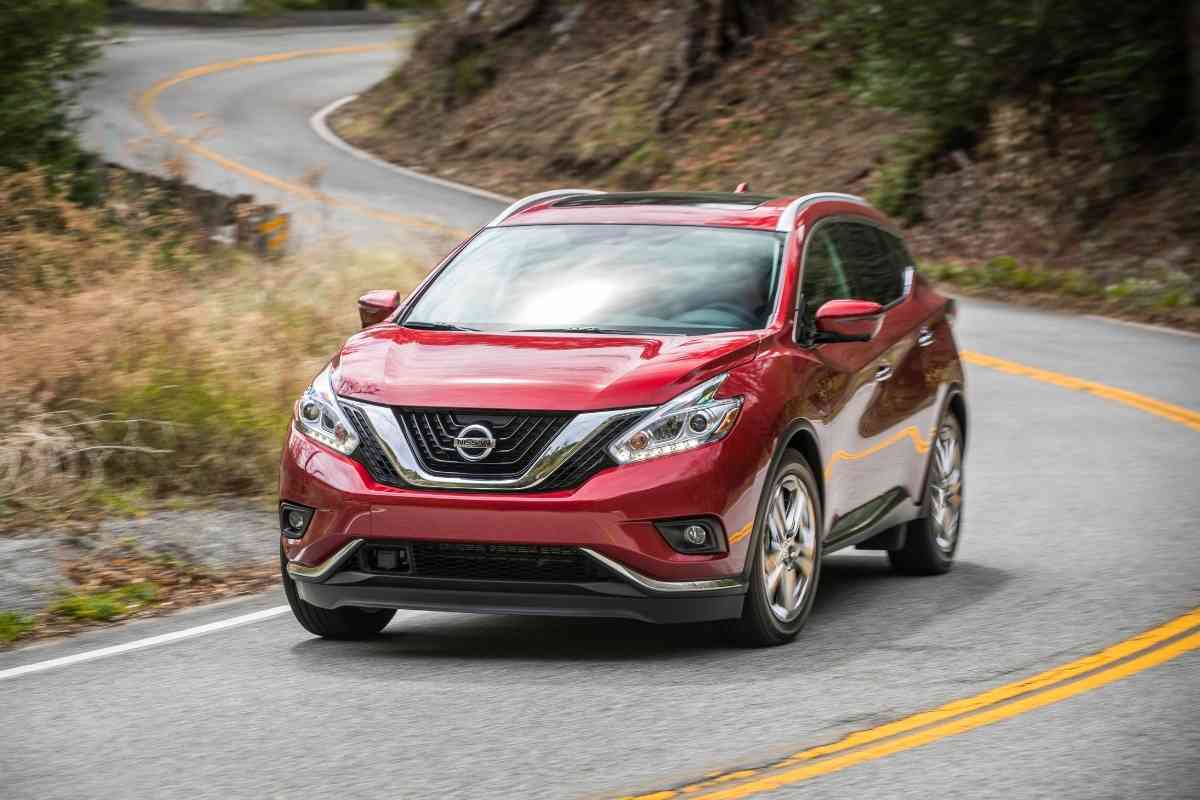
nissan murano driving on a curvy mountain road

How to Check If Your Murano Is Flat Tow-Ready

Before you hook up your Nissan Murano to the back of your RV, we need to do some homework. The good news is that checking flat tow compatibility isn’t rocket science, but it does require consulting the right resources and asking the right questions.

Key Steps in Verifying Towing Compatibility

First things first, we need to identify your Murano’s exact year and drivetrain configuration. Pop open the driver’s door and check the sticker on the door jamb for the model year and VIN.

Write down whether you have a front-wheel-drive or all-wheel-drive model. This matters more than you might think. We also need to know what transmission you’re working with, and if you’ve got a Murano made in the last 15 years, you’re almost certainly looking at a CVT.

Next, look under the hood for any aftermarket modifications. Has anyone installed a transmission cooler or auxiliary pump? These additions might suggest previous owners tried to make flat towing work, but they don’t automatically make it safe.

Check your current mileage too. A high-mileage transmission that’s already stressed isn’t going to handle flat towing any better than a fresh one. In fact, according to Nissan’s official warnings about flat towing CVT vehicles, doing so will damage internal transmission parts due to lack of lubrication.

Owner’s Manual Fine Print Explained

Your owner’s manual is the Bible when it comes to flat towing decisions. We’re not just talking about a quick glance either. You need to dig into the towing section, usually found in the emergency procedures chapter.

Look for specific language about “four-down towing” or “flat towing.” Nissan typically states pretty clearly that you should not tow CVT-equipped vehicles with all four wheels on the ground. The manual might also reference the neutral position and whether placing the transmission there helps. Spoiler alert: with a CVT, it usually doesn’t.

Pay attention to any charts or tables that list towing methods. If the manual only shows dolly towing or flatbed towing as options, that’s Nissan telling you flat towing isn’t approved.

Some owners think leaving the ignition switch in accessory mode or unlocking the steering wheel somehow makes flat towing okay. It doesn’t. The real issue is inside the transmission, where the fluid pump stops working when the engine isn’t running.

Consulting Pros: Dealerships and Towing Experts

We strongly recommend calling your local Nissan dealership’s service department before making any flat towing decisions. Ask to speak with a transmission specialist, not just the person who answers the phone.

Be specific with your questions. Tell them your exact model year and ask point-blank: “Does Nissan approve flat towing for my Murano?” Don’t accept vague answers. If they say no, ask them to point you to the documentation.

A qualified transmission shop can also evaluate your specific vehicle. They can check the condition of your CVT and explain exactly what would happen if you tried to flat tow. These folks see transmission failures every day, and they’ll shoot straight with you.

RV towing specialists are another solid resource. They deal with flat towing questions constantly and know which vehicles work and which ones end up needing $6,000 transmission replacements. Most will tell you the same thing we’re telling you: the Murano isn’t designed for this, and understanding the compatibility and setup requirements is critical before attempting it.

Recommended Alternatives to Flat Towing Your Murano

Since Nissan doesn’t want you flat towing your Murano, we need to look at better options that won’t leave you with a destroyed CVT transmission. A tow dolly keeps the front wheels off the ground, a flatbed trailer hauls the whole vehicle safely, and driving separately might actually save you headaches depending on your trip.

Using a Tow Dolly: When Front Wheels Matter Most

A tow dolly lifts the front wheels of your Murano off the ground while the rear wheels roll freely. This matters because your Murano is front-wheel drive, and the front wheels connect directly to that CVT transmission we’re trying to protect.

When you use a vehicle dolly, you’re basically solving the main problem. The transmission won’t spin without lubrication because the drive wheels aren’t touching the road. We’ve seen plenty of RV owners use this method successfully with their Muranos.

Here’s what you need to know about dolly towing:

  • The dolly needs to be rated for your Murano’s weight (around 3,500 to 4,000 pounds depending on the model)
  • You’ll need to secure the front wheels properly with straps and chains
  • The rear wheels still turn, but they’re not connected to the transmission
  • Backing up is nearly impossible, so plan your stops carefully

A decent tow dolly runs between $2,000 and $3,000 new. You can rent one for around $50 to $70 per day if you only need it occasionally.

Flatbed Trailers: The Safe Bet for All Models

A flatbed trailer is the gold standard for towing any Murano, whether it’s front-wheel drive or AWD. We load the entire vehicle onto the trailer, strap it down, and nothing moves. No wheels turn, no transmission spins, no problems.

This method works for every Murano year and model without exception. AWD Muranos absolutely cannot be flat towed, so if you’ve got all-wheel drive, a flatbed is really your only safe towing option besides driving separately.

The downside is cost and size. A proper flatbed trailer that can handle a mid-size SUV costs $3,000 to $6,000 or more. You’ll also need a beefier tow vehicle since you’re hauling both the trailer and car weight. Rentals run about $100 to $150 per day through U-Haul or similar companies.

Storage is another consideration. These trailers take up serious space in your driveway or garage.

Pros and Cons of Driving Separately

Sometimes the simplest answer is just driving the Murano on its own four wheels. We know it sounds boring compared to the idea of towing it behind your RV, but hear us out.

Driving separately makes sense when:

  • Your destination is only a few hours away
  • You have multiple drivers in your group
  • You want the flexibility of two vehicles at your destination
  • The cost of towing equipment doesn’t justify the convenience

The downsides include:

  • Extra fuel costs for running two vehicles
  • Someone has to drive it (which means you need another licensed driver)
  • You can’t caravan together if you value driving as a group
  • More wear and tear on the Murano from highway miles

We’ve found this works great for weekend trips or when we’re heading somewhere for a few weeks. The Murano gets excellent highway fuel economy with that CVT, so the extra gas money isn’t as painful as you’d think. Plus, having two vehicles at a campground or vacation spot gives you way more freedom than being stuck with just the motorhome.

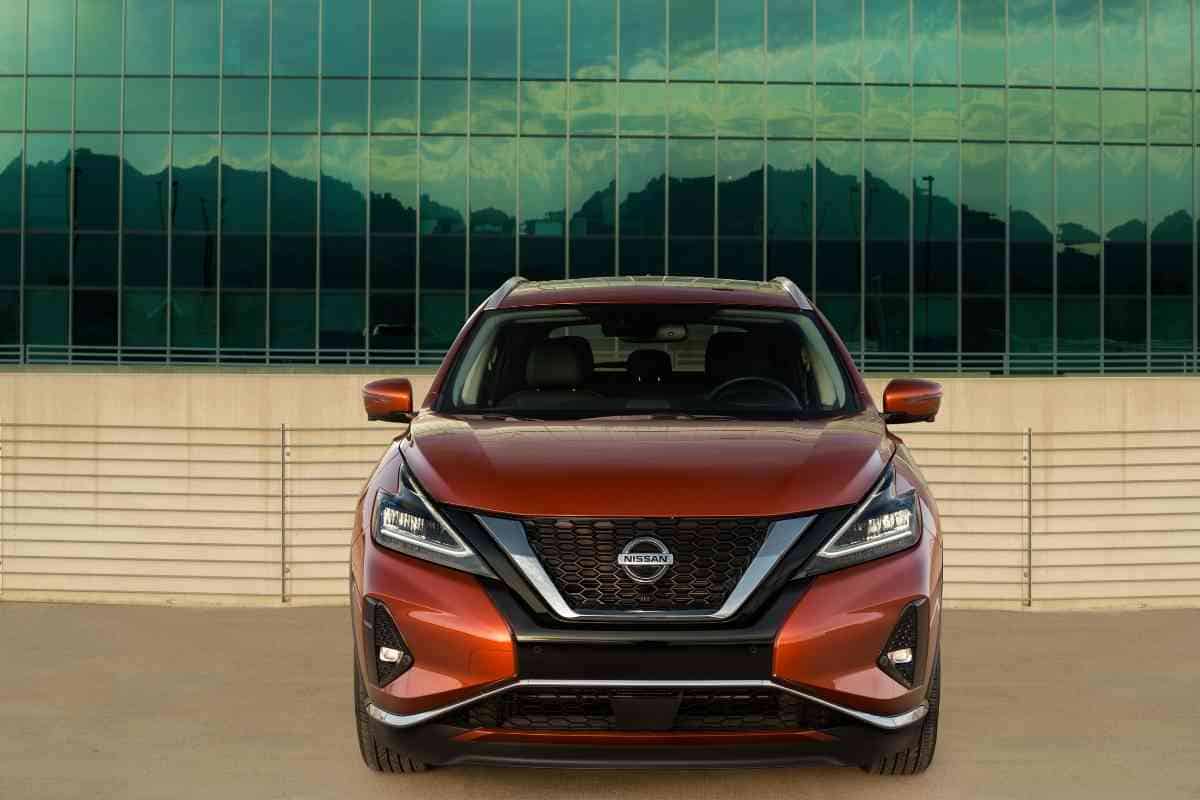
orange nissan murano parked in front of a building

Must-Have Equipment and Prep for Safe Towing

Getting a Nissan Murano ready for flat towing means investing in the right hardware and following specific procedures to protect your transmission and drivetrain. We’re talking about a proper tow bar setup, the right base plate for your specific model year, and safety cables that could save you thousands in damage if something goes wrong.

Tow Bars, Base Plates, and Safety Cables

The tow bar is your primary connection between the motorhome and your Murano. It’s a rigid triangular setup that keeps both vehicles linked during travel.

You can’t just bolt a tow bar to your bumper and call it a day. That’s where the base plate comes in. This component mounts directly to your Murano’s frame and provides the attachment points for the tow bar arms. Base plates are vehicle-specific, so you need one designed for your exact year and model.

Safety cables are your backup plan. If the tow bar fails or disconnects, these cables keep your Murano attached to the motorhome instead of rolling free down the highway. We’ve seen what happens when people skip this step, and it’s not pretty.

Flat towing requires specific equipment including these core components plus a supplemental braking system. Most states actually require that braking system by law. The wiring harness connects your Murano’s lights to the motorhome so brake lights and turn signals work properly.

Proper Towing Procedures and Vehicle Prep

Here’s the hard truth about Muranos. Most models with CVT transmissions can’t be flat towed with all four wheels down without causing serious damage.

The transmission needs constant lubrication from an oil pump that only runs when the engine is on. Tow it anyway and you’ll cook the transmission within a few miles.

Before you hook up, check your owner’s manual for your specific model year. Some Muranos need the front wheels lifted completely. Others might have workarounds, but they’re rare.

If flat towing is approved for your model, you’ll need to put the transmission in neutral and disable the parking brake. The steering wheel needs to stay unlocked so the front wheels can follow the motorhome through turns.

We always recommend doing a short test pull in a parking lot before hitting the highway. Check all connections, make sure the safety cables have the right amount of slack, and verify your supplemental brake system activates properly.

Aftermarket Mods: What Actually Helps?

We get asked about transmission coolers and lube pumps all the time. Can they make a non-towable Murano towable?

In theory, an auxiliary transmission pump could keep your CVT lubricated while being towed. But here’s the reality. Installing one properly requires serious mechanical knowledge and usually voids your warranty. Most RV owners find it’s just not worth the risk or expense.

The better approach is accepting what your Murano can and can’t do. If your model isn’t rated for flat towing, use a tow dolly that lifts the front wheels off the ground. It’s more gear to deal with, but it protects your transmission completely.

Some folks install heavier-duty skid plates or upgraded shocks thinking it’ll help with towing. Those mods might protect your undercarriage on rough terrain, but they won’t change your transmission’s limitations. Stick with what the manufacturer says your vehicle can handle.

How the Murano Compares: Flat Towing with Other Brands

The Murano isn’t alone in the “can’t flat tow” club, but it’s interesting to see which SUVs can handle being dragged behind an RV and which ones will leave you with a destroyed transmission. Some brands build their vehicles with flat towing in mind, while Nissan and a few others just don’t prioritize that capability.

Popularly Flat-Towed SUVs (Jeep, Honda, Subaru, Audi, Toyota)

Jeep absolutely dominates the flat towing world. The Wrangler is probably the most popular dinghy vehicle out there, and for good reason. It’s designed for it from the factory. You can flat tow most Wranglers with a manual or automatic transmission as long as you follow the proper procedure.

Honda CR-Vs with manual transmissions used to be flat-towable, but newer models with CVTs are off the table. We’ve seen too many people try it anyway and end up with expensive repairs.

Subaru doesn’t recommend flat towing any of their vehicles. Their symmetrical all-wheel drive system runs into the same lubrication issues as the Murano’s CVT.

Some Nissan vehicles can be flat towed, including the 370Z Coupe and certain Sentra models with manual transmissions, but the Murano isn’t one of them. Toyota also makes relatively few vehicles suitable for flat towing, though the 4Runner with a manual transfer case can work in some configurations.

Audi doesn’t typically design their vehicles for flat towing either, given their complex quattro AWD systems.

What Makes Some Vehicles Flat Tow-Friendly?

The magic ingredient is a transfer case with a true neutral position. This disconnects the transmission from the wheels completely, so nothing spins inside while you’re cruising down the highway.

Manual transmissions are often easier to flat tow because they’re mechanically simpler. There’s no pump that needs the engine running to circulate fluid.

CVT transmissions like the one in the Murano are the worst candidates. The CVT relies on a fluid pump to circulate lubricant and coolant throughout the transmission, and that pump only works when the engine is running. Without it, you’re essentially running the transmission dry, which leads to overheating and catastrophic failure.

Four-wheel drive vehicles with selectable transfer cases give you options. Two-wheel drive and front-wheel drive vehicles rarely work because there’s no way to disengage the drivetrain. The Jeep Wrangler succeeds because its transfer case was designed with flat towing in mind from day one.

Leave a Reply

Your email address will not be published. Required fields are marked *