
GM Writes Off Billions, Others Do The Same As EV Market Tumbles
The American giant has to write off billions because of a bad gamble, politics, and changing demands.
It’s not fun when you have to write off money. It’s basically a sign that, at one point, you bit off more than you could chew. This is worse when it’s billions that you write off.
In the latest happenings around EVs, GM writes off billions because it expected EV absorption to happen at a faster rate. With no more EV rebates, this didn’t happen.

“Drive Past Myths: Get the Real Deal on Car Buying!”
🚘 Uncover 13 Car Buying Misconceptions with Our FREE Newsletter!
Plus you will get our quick tips, expert advice, and myth-busting insights delivered straight to your inbox.
Subscribe now and make informed decisions without the detours.
“Experts Hate This! Learn the Car Buying Secrets They Don’t Want You to Know. Free Subscription!”
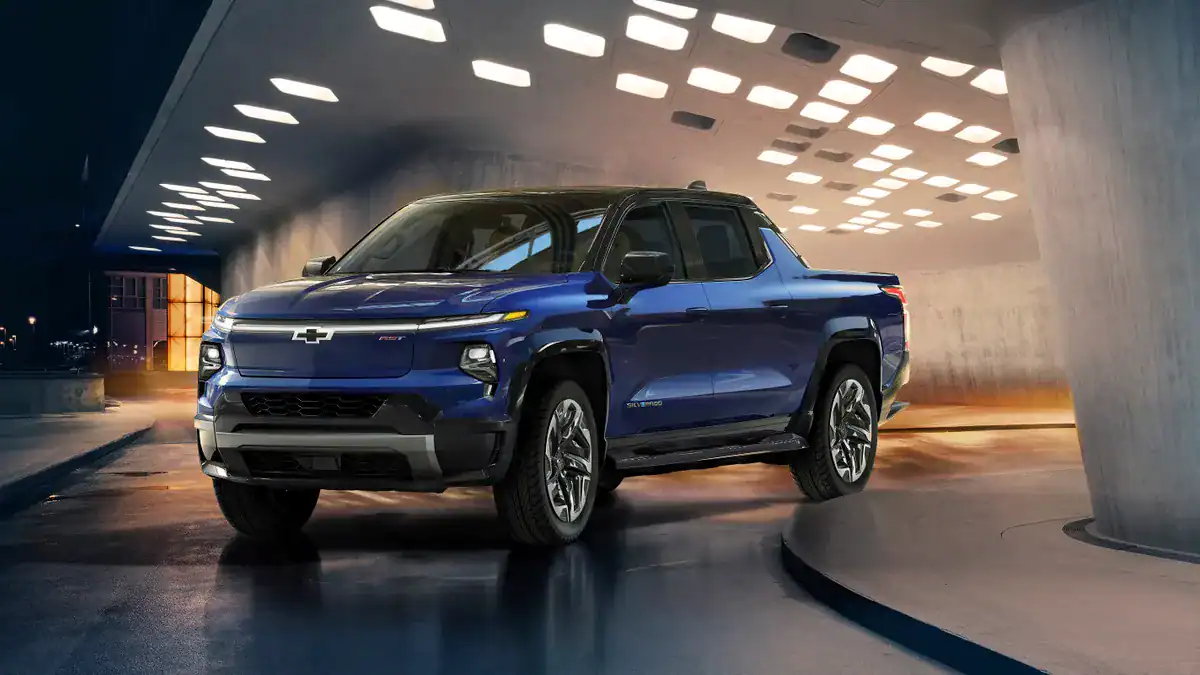
However, GM’s write-off isn’t the only one. In fact, many manufacturers have lost billions on the EV bet. What it shows is a bigger problem when it comes to compromise.
GM Writes Off Billions And Could Have More To Do
At the center of the storm is General Motors. GM has lost billions on its EV operations in North America, even as its China business performs far better. In fact, the Chinese market had a record-breaking performance in 2025, but it wasn’t enough.
The reality is that the US isn’t adopting EVs fast enough. This, combined with high battery and production costs, has forced GM to absorb losses estimated at around $6 billion tied to scaling back American EV plans.
The contrast is telling. In China, where charging infrastructure is dense and EV adoption is normalized, GM’s joint ventures are profitable. In the U.S., where buyers remain price-sensitive and skeptical, EV inventory has piled up. Now, you would think that this is where losses come up, but GM writes off billions because of other reasons.
As AOL reports, GM lost money on cancelling projects where it had already invested money. In the end, the product isn’t the most expensive per unit, it’s producing it what costs the company. If GM backtracks on everything it promised, then that cost has to go somewhere, and that’s where the write-off comes into play.
Ford’s $19.5 Billion Reality Check
GM isn’t alone. Ford Motor Company shocked the industry when it disclosed a $19.5 billion write-down related to its EV investments. As Yahoo Finance explains, Ford was forced to acknowledge that some of its electric programs will not generate the returns once expected.
Ford executives have been unusually candid: EVs are still losing money, margins remain deeply negative, and profitability has been pushed years into the future. That doesn’t mean Ford is abandoning electrification—but it does mean the pace and scale of investment are being reassessed in real time.
An Industry-Wide Problem
The fact that GM writes off billions has sparked criticism. The New York Post cites estimates that U.S. and European automakers have collectively lost over $114 billion on EVs. While the framing is opinionated, the underlying point is difficult to ignore: legacy automakers built EV strategies assuming stable demand growth, consistent subsidies, and rapid cost reductions.
Instead, they’ve faced volatile consumer interest, rising interest rates, and supply chains that never quite became cheap enough.
The result is a wave of write-downs, paused projects, delayed plants, and canceled models. Automakers aren’t retreating from EVs entirely—but they are being forced to admit that the transition is messier, slower, and far more expensive than the early narratives suggested.
Overall, the idea isn’t to shut down EVs altogether. However, if promises and expectations sway from side to side with each political view, then automakers might have to spend more money writing off future projects than actually producing cars.
Why the Market Feels “Irregular”
The EV market isn’t collapsing—it’s fragmenting. High-income early adopters already made the switch. What’s left is the mainstream buyer, who is far more sensitive to price, charging convenience, and resale value. Without generous incentives or dramatic price cuts, many simply aren’t buying.
At the same time, automakers are stuck with cost structures built for scale that hasn’t materialized yet. Battery plants, EV-only platforms, and dedicated factories don’t flex easily when demand softens. Accounting rules then force companies to recognize losses sooner rather than later—hence the eye-watering write-offs.
A More Cautious Future
These massive write-downs don’t mean EVs are dead. They do mean the industry is entering a more sober phase. Automakers are pivoting toward hybrids, slowing EV rollouts, and prioritizing profitability over promises.
The EV future is still coming—but the bill for getting there is turning out to be far higher, and far more unevenly distributed, than anyone wanted to admit.
GM Writes Off Billions, Others Do The Same As EV M
See the full article for details.