
The Golden Age of Cars: Why 1996 to 2006 Was the Peak of Automotive Greatness
Let’s just say it: cars from the late ’90s to the mid-2000s will go down in history as the greatest vehicles ever built. Period.
I’m not just talking about nostalgia here. This isn’t about fuzzy feelings from your high school ride (okay, maybe a little). This is about that sweet spot in automotive history when engineering, reliability, and simplicity collided to create machines that were built to last, easy to fix, and still had soul. If you ask me, it was the last time automakers truly respected the person behind the wheel.
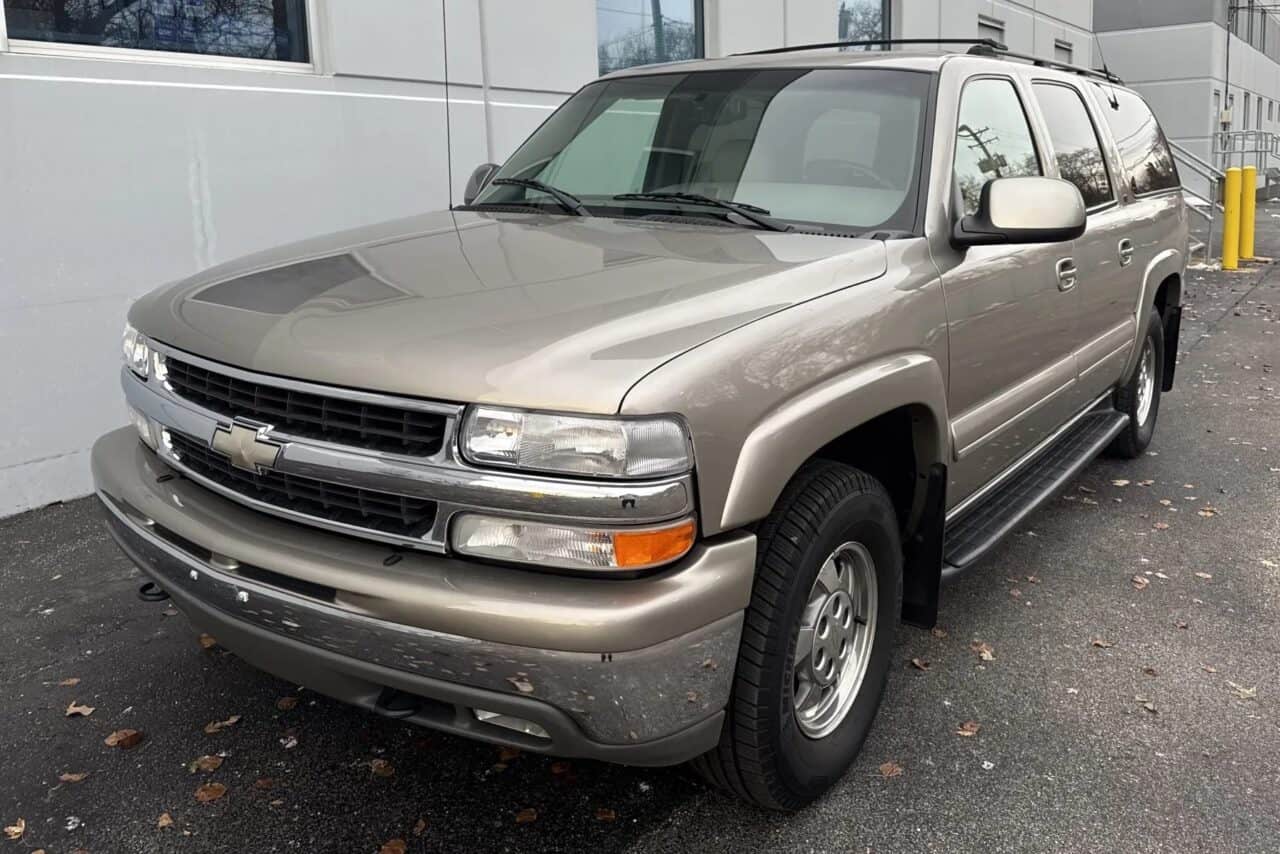
These were the years when American automakers finally got the memo and stepped up to challenge Japanese quality. GM, Ford, and Chrysler started producing vehicles that could go head-to-head with Toyota and Honda, not just in price, but in dependability.
You had trucks and SUVs that were overbuilt, sedans that could rack up 300k miles without breaking a sweat, and interiors that didn’t feel like an afterthought. Remember the GMT800 platform? Or the early 2000s Toyota 4Runner? These vehicles were simple, tough, and built with purpose.
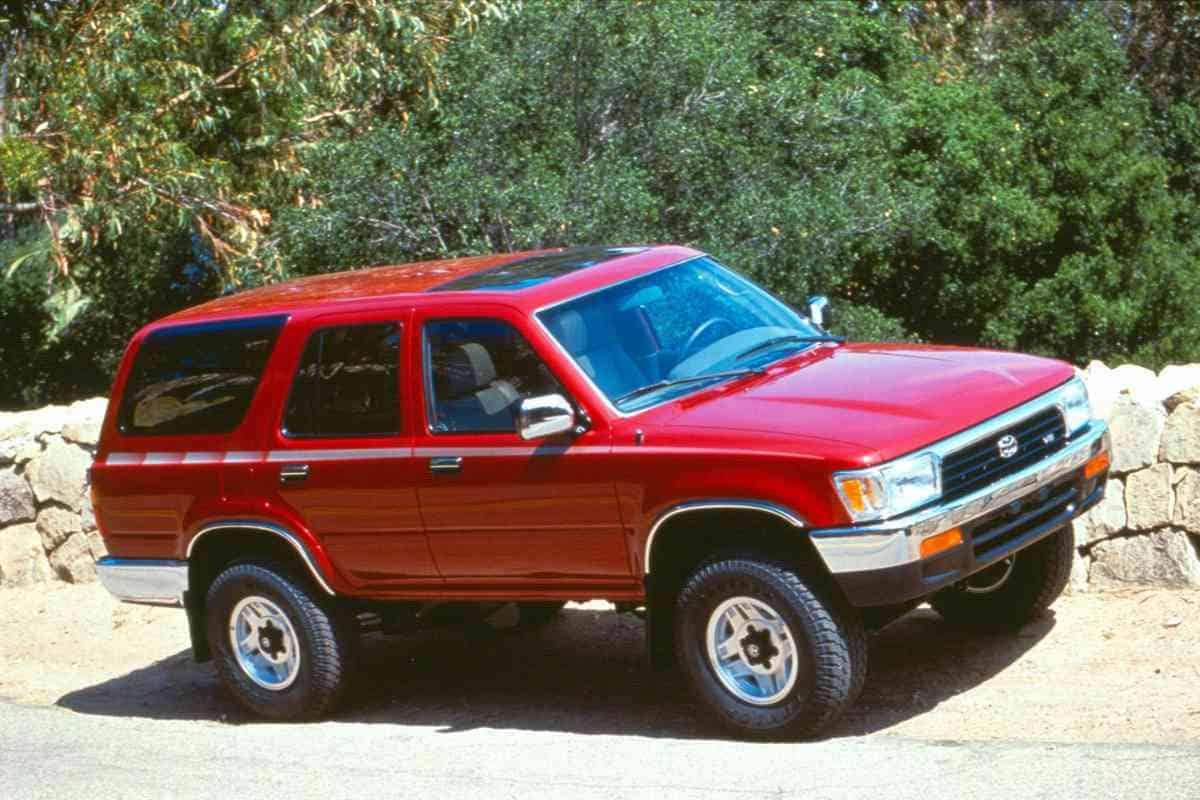
And here’s the magic part: you could actually work on them.
Give me a $100 tool set from Walmart and a Saturday afternoon, and I could get most jobs done myself. No need for dealer only tools or software licenses. No need to hook up a laptop just to change a battery. You didn’t need an engineering degree to understand your vehicle. You needed a little grit, a bit of patience, and maybe a buddy to hand you a wrench.
Today? It’s a different story.
Let me give you a real world example. We have a 2019 BMW X3. Great vehicle when it works, but a total nightmare when it doesn’t. We had a dead battery not long ago. I popped the hood to see what size we needed, and there wasn’t even a battery in the engine bay. Turns out it’s buried in the back, under panels, sensors, and plastic nonsense. I had to look up a guide just to figure out how to get to it. Replacing a battery used to be a 10-minute job. Now it’s a half-day ordeal and a couple hundred bucks, easy.
Worse, automakers are intentionally locking out owners from basic repairs. BMW is reportedly developing proprietary screws now (proprietary screws!) that only their techs will have the tools for. That’s not innovation. That’s corporate greed disguised as progress.
The truth is, cars today are becoming disposable. They’re loaded with tech no one asked for, sensors that constantly fail, and software that becomes outdated faster than your smartphone. Modern cars are fast and flashy, sure—but they’re also fragile. And expensive. And virtually impossible to repair without a trip to the dealership and a swipe of the credit card.
That’s why I collect vehicles from 2006 and earlier. It’s not just a hobby. It’s a survival tactic.
These vehicles were built with the long haul in mind. You can still find parts. You can still work on them. Any decent mechanic can help you out. They have character, and they were built before automakers got obsessed with screens, touchpads, and “subscription-based heated seats.” No thank you.
Now, I’m not saying I’m stuck in the past. I do own a 2023 Toyota Sequoia. It’s a technological marvel, no doubt. But even Toyota, the gold standard of reliability, has moved to a twin-turbo hybrid V6 that made me question everything. I don’t trust that drivetrain to go the distance the way Toyota’s old-school V8s did.
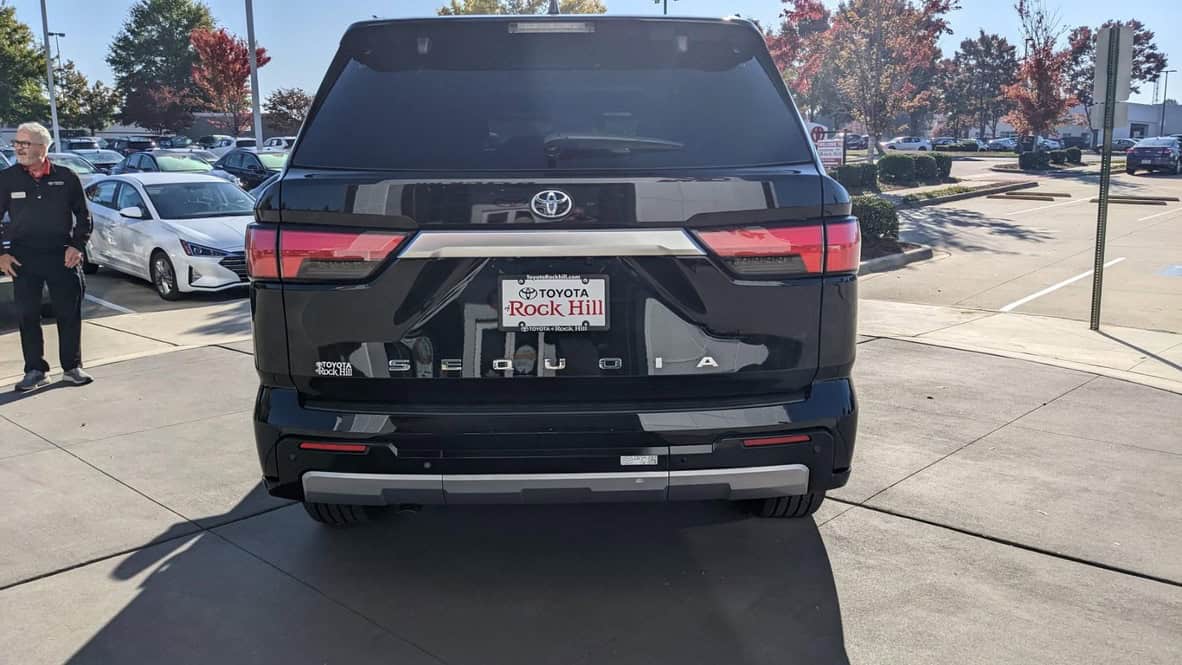
That’s why I shelled out for the 10 year, bumper-to-bumper warranty the minute I drove off the lot. It cost me $1,900 (a no-brainer). That same warranty on a 2025 Sequoia? $4,800. What does that tell you? To me, it says Toyota knows what’s coming. They’re hedging their bets because they know these new systems aren’t going to age like their old ones did. And I don’t blame them, because nothing is built like it used to be.
So here’s my take: if you want a vehicle that’ll last, that you can maintain yourself, that won’t require a service advisor and a laptop just to change a tail light, buy something from the late ‘90s to mid-2000s. That was the golden era. The peak. And we may never see it again.
But I know this is a hot topic. Car guys (and gals) are passionate. So I want to hear from you:
Do you agree that ‘96 to ‘06 was the best era of car building? What’s the best vehicle from that time period? What’s the worst of today’s “innovations” in your eyes?
Let’s talk in the comments. And if you’re wrenching on a classic this weekend, enjoy every minute, because they really don’t make them like they used to.
-Kern Campbell
Founder, FourWheelTrends.com