
What Is The REPAIR Act? The Fight To Fix Your Car Heats Up In Congress
The right to repair your vehicle has many sides, and it’s a discussion that is only bound to get more intense.
The REPAIR Act (Right to Equitable and Professional Auto Industry Repair) is at the center of Congressional debate, as multiple associations and professional groups seek to open up access to information crucial in fixing vehicles.
Modern vehicles are becoming more technologically complex and dependent on data, two factors that can make even the simplest repair impossible for independent shops.

“Drive Past Myths: Get the Real Deal on Car Buying!”
🚘 Uncover 13 Car Buying Misconceptions with Our FREE Newsletter!
Plus you will get our quick tips, expert advice, and myth-busting insights delivered straight to your inbox.
Subscribe now and make informed decisions without the detours.
“Experts Hate This! Learn the Car Buying Secrets They Don’t Want You to Know. Free Subscription!”
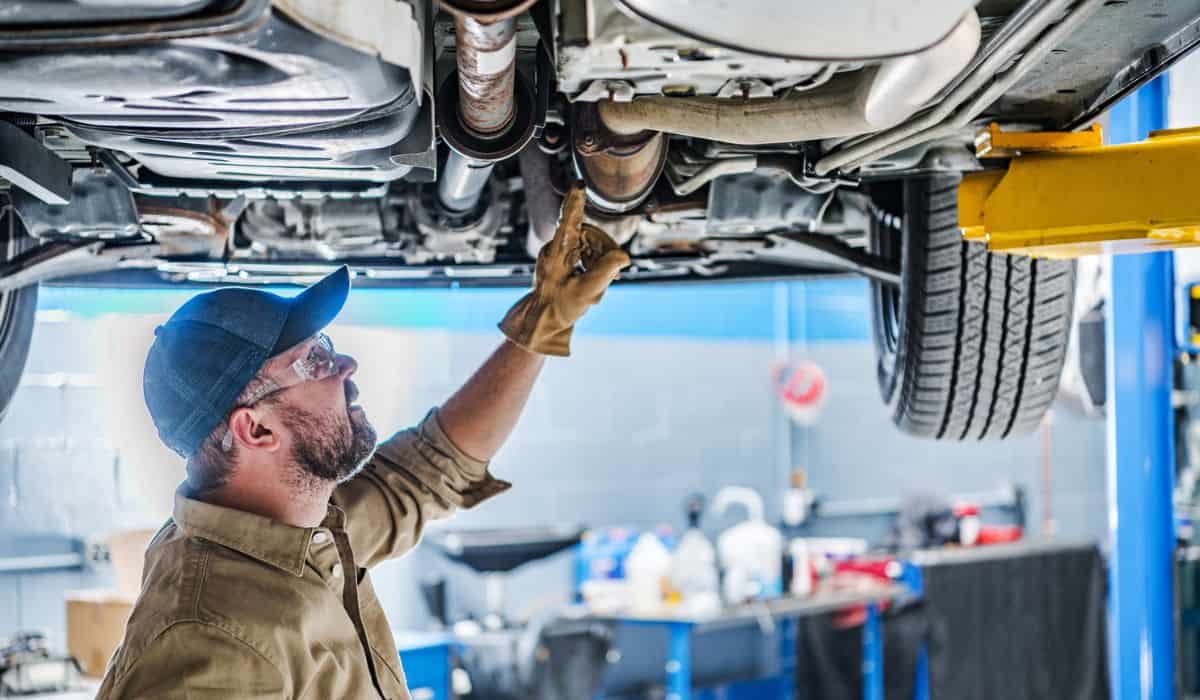
There are many examples of how formerly simple repairs now need logins, codes or data from the manufacturer. For example, the Hyundai Ioniq 5N now requires a professional login to replace the brake pads.
Volkswagen is another brand that requires additional, complex steps to perform simple services. When replacing the battery, it’s crucial that users provide a battery code so that the battery functions properly. This is a code that’s not readily available to regular drivers who aren’t into DIY mechanics. (Most who are also struggle to solve this issue).
Data is becoming crucial for vehicle safety. Systems now require more of it to help with driver aids, but it also means that the automaker (and subsequently, dealerships) become essential in any service. Since software is now essential for vehicles, this relationship is only bound to become more complex.
What Is The Goal of The REPAIR Act?
The REPAIR Act claims that automakers and dealerships have taken advantage of this necessity and have driven up repair costs, limiting consumer choice, and, ironically, creating a new set of safety concerns. The bipartisan Act seeks to protect consumers’ right to choose where to have their vehicles repaired.
There are several core provisions to the REPAIR Act, and they are:
- Standardized tools: the REPAIR Act seeks to make necessary tools, software and diagnostic information available on “fair and reasonable terms.” While this doesn’t mean that they will be free, they should be accessible to any consumer without having to go through tedious processes to get them.
- No mandates: manufacturers in the automotive industry would not be able to require consumers to use specific brands, parts, tools in cases that are not recalls or warranty work.
- Access to data: automakers would have to provide the same data to both franchised dealers and independent mechanics or consumers, including service and repair information.
- Data safety: with vehicles becoming so dependent on data, the REPAIR Act seeks to guarantee vehicle security and safety standards, even when sharing data.
The goal of the REPAIR Act, with these core provisions, is to lower cost and open accessibility to repairs, making vehicle ownership much more accessible.
Who Supports And Rejects The REPAIR Act?
As with any critical piece of legislation, the REPAIR Act has divided the country, with supporters and critics. Groups such as the Auto Care Association support the REPAIR Act, as the group claims that the impact on repair costs is already happening.
The group’s CEO Bill Hanvey stated in front of congress that the aftermarket industry, from parts stores to independent mechanics, performs 70% of out-of-warranty repairs. At the same time, data dependency has forced vehicle owners to use dealerships, “where costs are on average 36% higher and repair times significantly longer,” as quoted in Aftermarket News.
The National Federation of Independent Business (NFIB) has expressed its support for the REPAIR Act, stating that it would eliminate barriers for independent auto body shops and other industry professionals.
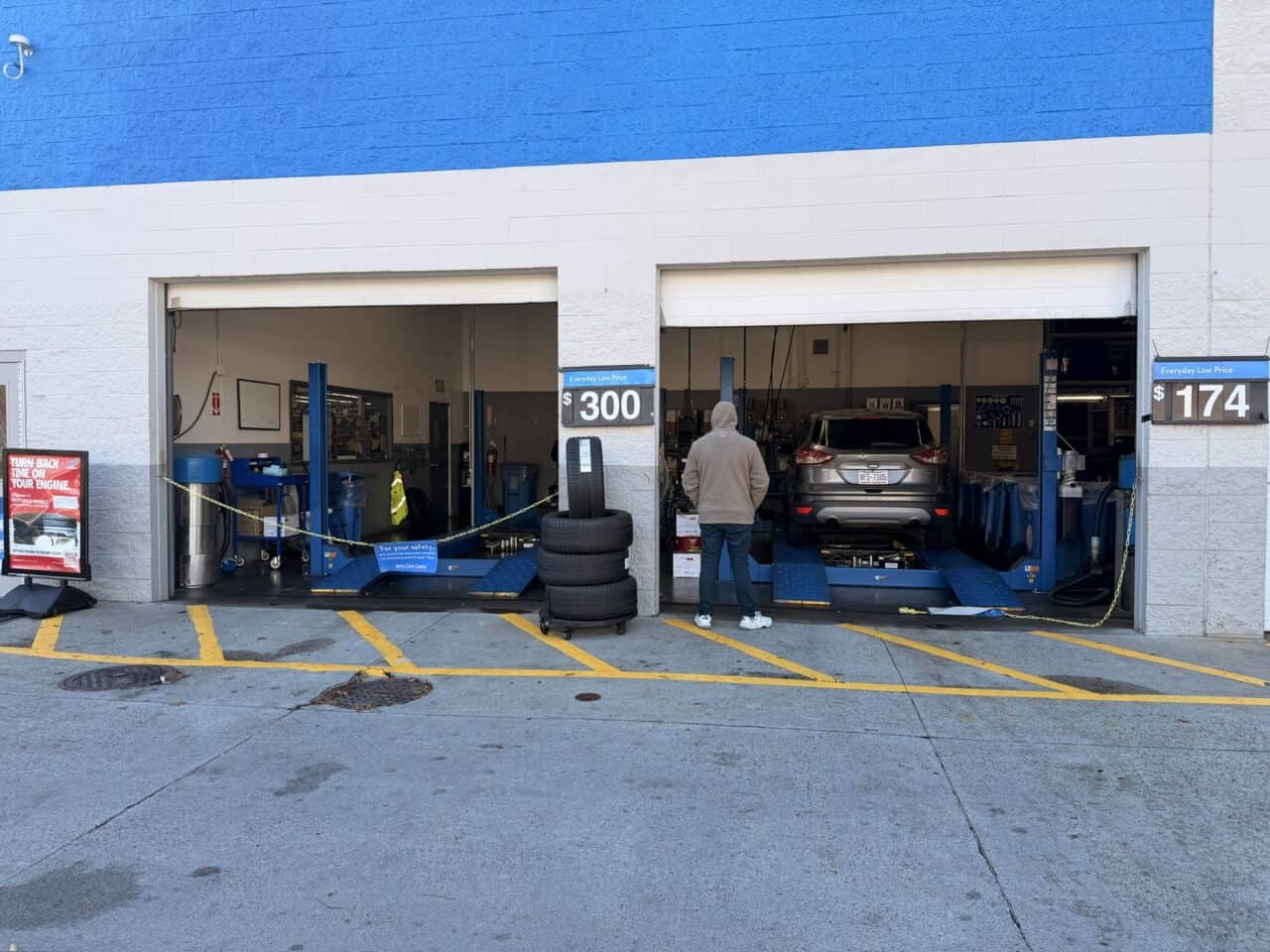
Other big groups in the industry, such as SEMA, support the REPAIR Act as well. SEMA, a critical player in the industry, stated that “individuals’ right to repair and modify the vehicles they own is essential to a free nation and the future of the industry.”
DIY mechanics have progressively felt less capable of working on their cars, but not because of a lack of interest. Instead, it becomes much more complex.
The video that started this article for us at Four Wheel Trends is also an example of how a simple conversation can spark support for the REPAIR Act.
Interestingly, not every independent mechanic supports the REPAIR Act. John Bozzella is the CEO of the Alliance for Automotive Innovation and he penned a critical opinion piece urging people not to fall for the REPAIR Act.
Bozzella argues that automakers have always supported the right to repair and that, in 25 years in the industry, independent auto repairers “have no problem getting exactly what they need to properly repair vehicles.”
Instead, he urges caution. Backers of the REPAIR Act include big-box parts retailers and insurance companies. These two are critical players in the automotive industry and could determine how independent shops repair vehicles.
Detractors of the REPAIR Act agree with Bozzella, such as Kyle Bradshaw, director of operations at K & M Collisions. He states that insurance companies frequently refuse to cover original manufacturer parts, forcing consumers to pay out-of-pocket.
This is a sentiment that the National Automobile Dealers Association echoes, claiming that the REPAIR Act “has little to do with repairing a vehicle. For example, H.R. 1566 provides that “direct, real-time in-vehicle data” can be sold “to any other person” with the consent of the vehicle owner.”
What are your thoughts on the REPAIR Act?
There has not been any official voting on the REPAIR Act, as there are still plenty of discussions to be had. However, there’s no denying that its future (whether approved or not) will directly impact the automotive industry.
So, what are your thoughts? We’d love to hear where you stand with this?
What Is The REPAIR Act? The Fight To Fix Your Car
See the full article for details.