
GM Transmission Recall: Everything You Need To Know
Almost every rear-wheel drive vehicle the automaker produces has a problem, and GM is struggling to come up with a solution.
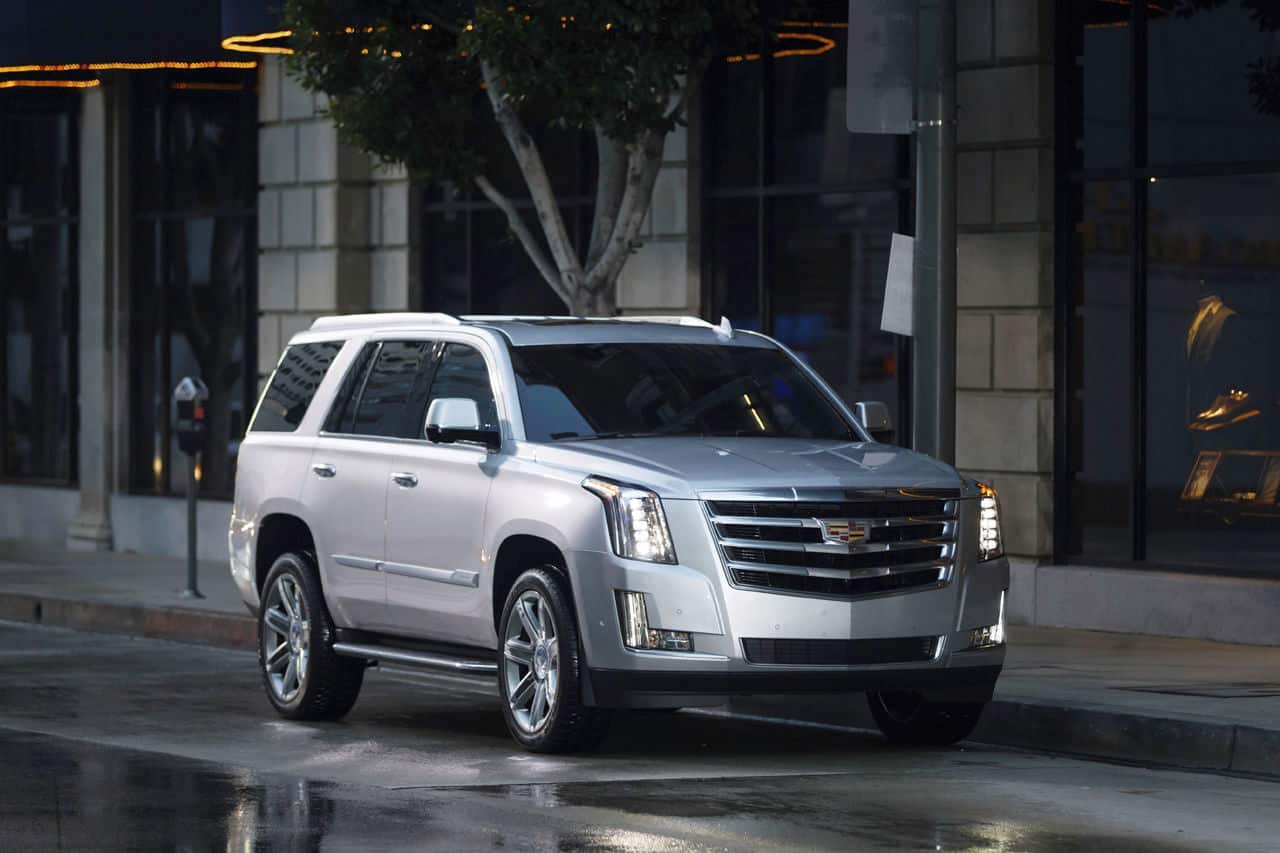
At the end of February 2026, GM recalled 44,000 full-size SUVs because their rear wheels could suddenly lock up. This GM transmission recall seemed like an isolated event, but in reality, it’s a symptom of a larger problem, and one that might not have a solution in sight.
The problem originated in 2024, when GM recalled Chevy Silverado, GMC Sierra, and GM SUV models because of the issue explained above. The vehicles were manufactured between 2020 and 2022, right when the world faced a harsh supply shortage.

“Drive Past Myths: Get the Real Deal on Car Buying!”
🚘 Uncover 13 Car Buying Misconceptions with Our FREE Newsletter!
Plus you will get our quick tips, expert advice, and myth-busting insights delivered straight to your inbox.
Subscribe now and make informed decisions without the detours.
“Experts Hate This! Learn the Car Buying Secrets They Don’t Want You to Know. Free Subscription!”
The problem originated in a transmission control valve that wore out over time. In some cases, this wear caused it to fail and lock up permanently, although for only 150 ms, as stated by the company.
The solution associated with the GM transmission recall was to update the software so that the vehicle would detect when the valve was 10,000 miles from failure. If this were the case, the transmission would be limited to five speeds, as the problem happened in downshifts from eighth gear.
Originally, the GM transmission recall only affected diesel engines.
What were the solutions after the GM transmission recall?
One year after the first GM transmission recall, issues prevailed. The solution was considered more of a band-aid rather than a reliable approach to the problem.
After the company had issued the first solution, consisting of the software update, GM found that the solution wasn’t enough. After all, the vehicles entered something similar to a “limp mode” that left vehicles underperforming.
The solution was frustrating, so GM came up with another one. By August 2025, Gm announced that it released a revised valve body and updated repair procedure.
The revised valve body was a Gen 3 valve that used technology from earlier valve bodies. While the new product did solve the original issue behind the GM transmission recall, it could also lead to new problems, such as uncontrollable shifting.
Plus, those users with heavy-duty trucks found that valves took months to arrive, leaving them without a work vehicle.
By 2025, the problem was escalating for GM. The company expanded the recall to include not only vehicles with diesel engines, but RWD coupes and other SUVs with gasoline engines.
The GM transmission recall worsened
By 2026, there was no solution in sight for the GM transmission recall, but it wasn’t all because the problem was too complex. A lot of it came from GM’s own doing as well. First of all, more issues appeared as the valve showed problems with the ETRS system, which was only reserved for luxury vehicles.
44,000 vehicles had this option, which is an electrically-controlled transfer case. These problems hadn’t appeared before, so GM had to expand its recall to include them.
Then, the solution was having issues as well. As the GM specified, technicians had uploaded the wrong software into the vehicles. The installed software incorrectly detected wear in the valve when it was too late.
While this recall is smaller, affecting 1,000 units, it’s still a clear sign that GM is struggling to rein in the transmission recall. It comes at a time when GM needs as much positive press as possible, and it’s likely that a situation like this one will erode future sales.
Now, the GM transmission recall again hangs in limbo. There’s no certainty as to whether the company’s solutions work. At the same time, people might not feel the vehicles are safe, and many have criticized the company’s inability to come up with solutions in a quicker fashion.
GM Transmission Recall: Everything You Need To Kno
See the full article for details.