
How to Safely Spray Peppermint Oil On Your Engine To Deter Rodents
How to Safely Spray Peppermint Oil On Your Engine To Deter Rodents: Proven Tactics Every Car Owner Needs
Rodents can turn your engine bay into a five-star hotel, complete with chewed wires and acorn storage. You can spray peppermint oil directly on your car engine to deter rodents, and it’s completely safe when applied correctly. The strong scent irritates their nostrils and keeps them from setting up camp under your hood.
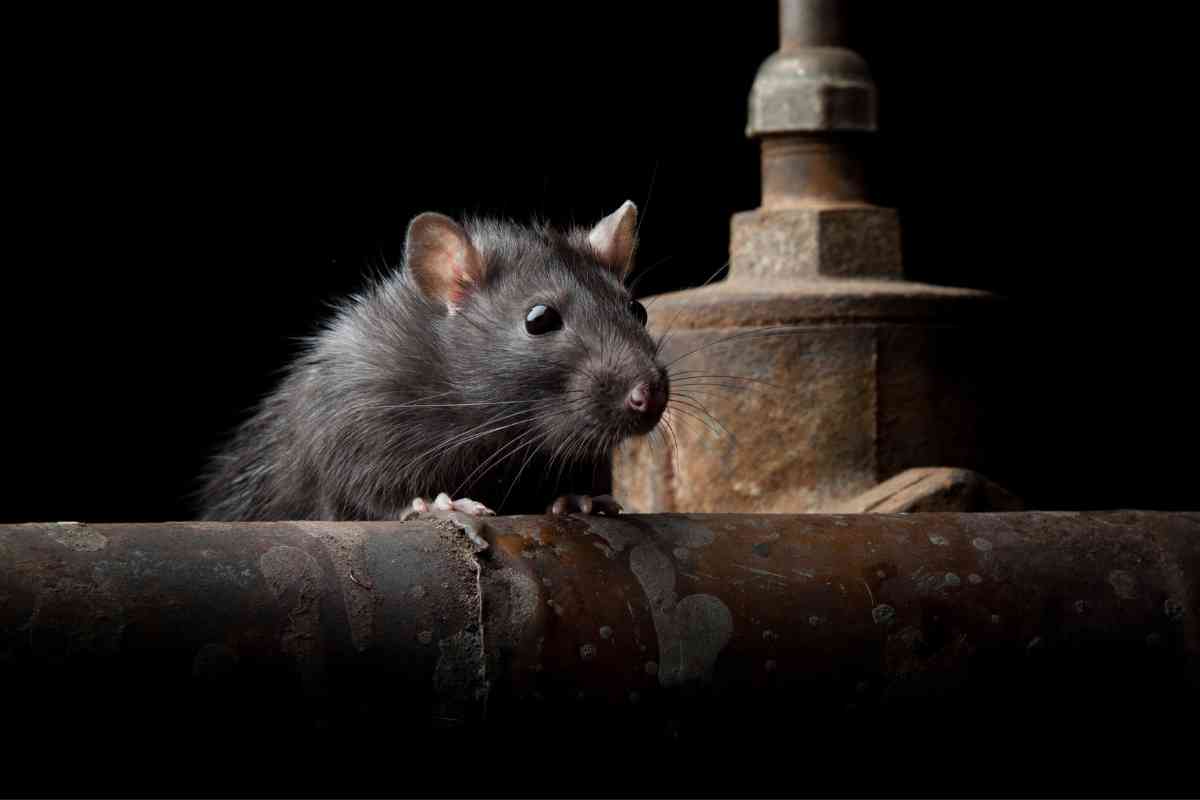
I’ve dealt with mice in my own vehicles more times than I’d like to admit. One morning I popped the hood on my 4Runner and found a full nest tucked next to the air filter. Rodents can cause serious damage to your vehicle by chewing through wiring harnesses, blocking air intakes, and leaving droppings throughout the engine compartment. A damaged wiring harness can cost thousands to replace.
This guide will walk you through exactly how to mix and apply peppermint oil spray, how often to reapply it, and what other deterrent methods work alongside it. You’ll also learn how to spot signs of rodent activity before major damage occurs and mistakes that can make the problem worse.
Why Use Peppermint Oil to Keep Rodents Out of Your Engine?
Peppermint oil works because rodents hate the smell, and it’s safe to spray directly on your engine. Rodents can cause serious damage by chewing wires and blocking air intakes, so keeping them out saves you from expensive repairs.
How Peppermint Oil Repels Rodents and Critters
Peppermint oil irritates the nostrils of rats and mice. The strong scent bothers them enough that they avoid any area that smells like it.
You can spray peppermint oil on your car engine without worrying about damage. All the chemicals in peppermint oil are harmless to your vehicle. Even better, it smells pleasant to you while driving rodents away.
Mix about 10 drops of pure peppermint essential oil with water in a spray bottle. Shake it well before each use since oil and water don’t naturally mix. Spray it around your engine compartment, focusing on areas where rodents might enter.
The downside is that you need to reapply it regularly. The scent fades over time, especially after rain or if you drive through puddles. Check every week or two and spray again when the smell gets weak.
The Risks of Rodents in Your Car Engine
Rodents cause real problems when they get into your engine bay. They chew through wires, hoses, and insulation looking for nesting material or just to keep their teeth trimmed.
Chewed wires can cost thousands of dollars to repair if they damage your engine wiring harness. Exposed wires also create safety hazards since they can short out or cause electrical fires.
Rats and mice also block engine air intakes with acorns, nuts, and nesting materials. A clogged air filter cuts engine performance and fuel economy. Worse, a blocked intake can damage your engine if you keep driving.
Cars stored for long periods in cold weather face the biggest risk. Rodents look for warm, dark places to nest during winter. Your engine compartment checks both boxes.
Common Rodent Entry Points in Your Engine Bay
Mice can squeeze through holes barely bigger than their skull. That means any vent, gap, or opening in your engine bay is fair game.
The most common entry point is up through the wheels. Rodents climb your tires at night and enter the engine compartment from below. They also sneak through gaps around hoses and wiring that pass through the firewall.
Your engine’s airbox is especially vulnerable. Mice travel from the engine compartment into the airbox through small vents and openings. Once inside, they can block your air filter or build nests.
Check these spots for signs of rodent activity:
- Droppings near the battery or airbox
- Chewed plastic or rubber parts
- Shredded paper or fabric used for nests
- Acorns or food stored in corners
Look under your hood every few weeks if you park outside or near wooded areas. Catching rodent damage early saves money and headaches.
How to Safely Prepare and Apply Peppermint Oil Spray
Making your own peppermint oil spray is simple and takes just a few minutes. You’ll need the right oil, a spray bottle, and water to create an effective solution that keeps rodents away from your engine bay without damaging any parts.
Choosing the Right Peppermint Essential Oil and Supplies
You need pure peppermint essential oil for this to work. Don’t grab those cheap fragrance oils at the craft store. They smell nice but won’t deter rodents because they lack menthol, which is what actually irritates rodents’ noses and keeps them away.
Look for 100% pure peppermint essential oil at health food stores or online. The bottle should list Mentha piperita as the only ingredient. A small 1-ounce bottle will last you several applications and typically costs between $5 and $15.
For supplies, grab a clean spray bottle. A basic 16-ounce plastic spray bottle from any hardware store works perfectly. Make sure it has a good spray nozzle that creates a fine mist rather than a heavy stream.
You’ll also want cotton balls if you plan to place them in specific spots around your engine compartment. Some people like using both the spray and cotton balls soaked in peppermint oil for extra protection in problem areas.
Mixing the Perfect Peppermint Oil Spray Solution
Fill your spray bottle with about two cups of water. Add 10 to 20 drops of peppermint essential oil. Start with fewer drops and increase if needed after seeing how well it works.
Shake the bottle well before each use. Oil and water don’t naturally mix, so you need to shake it every time to distribute the peppermint oil throughout the water. This creates an even spray that spreads the scent properly.
Some people add a tiny drop of dish soap to help the oil mix better with water. This isn’t required but can help the solution stick to surfaces longer. If you try this, use just one small drop or the soap can leave residue.
Making a spray with water is safe and effective for deterring pests. The solution won’t harm your engine or any plastic components under the hood.
Where and How to Spray on Your Engine Compartment
Focus on areas where rodents typically enter or hide. Spray around the wheel wells first since rodents usually climb up the tires to get into your engine bay. Hit the inner fender wells on both front wheels.
Spray the areas around your air intake and airbox. Rodents love to stuff nest material and acorns in these spots, which can block airflow and damage your engine.
Target any visible wiring harnesses and hoses. These are rodent favorites for chewing. Give them a light mist but don’t soak anything. A fine spray is all you need.
Don’t worry about getting water on your engine. Modern engines handle moisture just fine. You can even spray your engine with a hose and it’ll be okay.
Reapply every two weeks or after rain. The scent fades over time and needs refreshing to stay effective. If you’re using cotton balls soaked in peppermint oil, replace them twice a week for best results.
Peppermint Oil Alternatives and Complementary Methods
You don’t have to rely on peppermint oil spray alone. Cotton balls soaked in repellent and natural deterrents like Irish Spring soap work well on their own or paired with spray treatments.
Using Cotton Balls and Mesh Bags for Long-Lasting Scent
Cotton balls give you a simple way to keep peppermint scent in your engine bay longer than spray alone. Soak 5-10 cotton balls in pure peppermint oil and place them around your engine compartment, near the air intake, and by wiring harnesses where rodents like to chew.
The cotton holds the oil and releases scent slowly over several days. You’ll need to refresh them every week or two depending on weather.
A mesh bag filled with soaked cotton balls works even better. You can hang it from your hood latch or tie it near problem areas. The mesh keeps the cotton balls contained while still letting the scent spread through your engine bay.
Some folks also use Irish Spring soap as a natural deterrent. Cut a bar into chunks, put them in mesh bags, and hang them under your hood. Mice hate the smell just like they hate peppermint.
Comparing Peppermint Oil Sprays vs Natural Repellents
Peppermint spray works fast but fades quickly, especially in hot engine compartments. You’ll spray every few days to keep protection going. It’s easy to apply and covers large areas fast.
Natural repellents like cotton balls, soap bars, and cayenne pepper last longer but take more setup time. Cotton balls might last a week, while soap chunks can work for several weeks before needing replacement.
The best approach combines both methods. Spray your engine bay first for immediate coverage, then add cotton balls or soap in mesh bags for lasting protection. This gives you quick results plus long-term deterrence without constant reapplication.
Safety Tips and Common Mistakes to Avoid
Peppermint oil is safe for your engine, but you still need to use it correctly to get the best results and avoid wasting time or product. Proper application timing and understanding what parts of the engine bay you’re working with will help you protect your car from rodents without any headaches.
Precautions for Flammability and Engine Materials
Peppermint oil itself is not highly flammable when diluted with water, which is how you should always apply it. Mix it in a spray bottle before you spray anything in your engine compartment. Never spray pure essential oil directly onto hot engine parts.
Let your engine cool completely before you spray. A hot engine can cause the liquid to evaporate too quickly, which wastes product and reduces effectiveness.
Focus your spray on areas where rodents enter or nest. The engine bay has plenty of nooks and crannies where mice like to hide. Pay attention to wire bundles, hoses, and air intake areas where rodents can cause damage to wiring.
Avoid spraying directly on electrical connections or exposed sensors. While water won’t hurt your engine in normal amounts, you don’t want to soak sensitive components unnecessarily. A light misting is all you need.
Check your engine compartment for existing damage before you start. If you already have chewed wires or nesting material, clean that out first. Peppermint oil prevents future problems but won’t fix damage that’s already there.
How Often to Reapply Peppermint Oil and Check for Results
You need to reapply peppermint oil regularly because the scent fades over time. Most people see good results spraying once a week, but this depends on your situation.
If you park outside in the rain, you’ll need to reapply more often. Weather and heat break down the oils faster. Cars stored in garages can go longer between applications.
Check your engine bay every few days at first. Look for signs of rodent activity like droppings, chewed materials, or nesting debris. If you see new damage, increase how often you spray.
Regular maintenance checks make this easier. When you pop the hood to check your oil or fluids, take 30 seconds to look around for rodent evidence. This habit helps you catch problems early before they turn into expensive repairs.
Start with weekly applications for the first month. If you don’t see any rodent signs after that, you can try extending it to every two weeks. Every situation is different based on how bad your rodent problem is and where you park.

How to Spot Rodent Activity and Prevent Future Infestations
Catching rodent problems early saves you from chewed wires and expensive repairs. You need to know what to look for around your engine bay and how to make your vehicle less inviting to unwanted guests.
Recognizing Signs of Rats, Mice, and Ants Around Your Engine
Pop your hood and look for the telltale signs. Rodent droppings around the engine compartment are usually your first clue. They look like small dark pellets, often clustered near wiring harnesses or air filter boxes.
Check for nesting materials next. Rats and mice love to shred paper, fabric, or insulation to build cozy homes in your engine bay. You might find these materials stuffed into corners or around the battery.
Look closely at your wiring. Chewed wires with exposed copper are a dead giveaway. Rodents gnaw on pretty much everything, including plastic hoses and rubber boots.
You might also notice greasy smudge marks along the fender wells or firewall. These are from rodent fur rubbing against surfaces as they travel their regular routes. Fresh urine stains can show up as wet spots or crusty buildup.
Ants are a different story but equally annoying. They’re often attracted to sweet-smelling fluids or food crumbs you’ve dropped. Look for ant trails leading into your engine bay or small piles of dirt near entry points.
Securing Entry Points and Removing Food Crumbs
Your engine bay has more openings than you probably realize. Start by checking where hoses and wires enter the firewall. Rats and mice can squeeze through gaps as small as a quarter inch.
Use steel wool or copper mesh to plug these holes. Rodents hate chewing through metal. You can also apply expanding foam after stuffing the gaps with mesh for extra protection.
Don’t forget about the cabin air intake. This is a common entry point that leads straight into your HVAC system. Some folks use wire mesh screens to block it without restricting airflow.
Clean out any food crumbs from your interior and engine bay. That granola bar wrapper you dropped three months ago is basically a welcome sign for mice. Vacuum your carpets and wipe down surfaces regularly.
Keep your garage or parking area clean too. Pet food bags, birdseed, and garbage attract rodents to the area. Once they’re nearby, your warm engine becomes prime real estate.
Why Regular Engine Upkeep Matters
Regular maintenance isn’t just about oil changes. When you’re under the hood checking fluids, you’re also doing rodent surveillance. I’ve caught early infestations during routine inspections that would have cost thousands in wire harness replacements.
Set a weekly schedule to pop your hood and look around. It takes two minutes and beats paying your mechanic’s hourly rate to diagnose mysterious electrical gremlins caused by chewed wires.
Keeping your engine area clean makes it easier to spot new droppings or nesting material. Blow out leaves and debris with compressed air every month or so. A clean engine bay also runs cooler and makes it obvious when something doesn’t belong.
If you’re storing a vehicle for winter, check it even more frequently. Cold weather drives rodents to seek warm shelter, and your engine bay looks like a five-star hotel to a freezing mouse.
Other Proven Ways to Deter Rodents from Your Vehicle
Beyond peppermint oil, several other methods can keep rats and mice out of your engine bay. Combining multiple approaches gives you the best chance of protecting your car from wire damage and nest materials.

Ultrasonic Repellents and Rat Traps
Ultrasonic devices emit high-pitched sounds that rodents hear but you don’t. These work best when you place multiple units around your car. I’ve seen mixed results with these, so don’t cheap out on no-name brands from random sellers. Look for devices designed specifically for pest repellent with decent reviews.
The trick is positioning. One under the hood and one near each front wheel covers the common entry points. Rodents usually climb up your tires to get into the engine bay.
Rat traps are old school but effective. Place them near your front wheels where rodents climb up. Use peanut butter as bait because it sticks and smells strong. Check traps daily and reset them as needed.
Combining traps with other methods works better than relying on just one approach. If you park in a garage, setting traps along the walls near your car catches rodents before they climb up.
Habits and Products That Really Make a Difference
Clean out your car regularly. Food wrappers, crumbs, and trash attract rodents like crazy. Even that old french fry under your seat can draw them in.
Try these proven tactics:
- Leave your hood up overnight if you’re parked somewhere safe. Rodents want dark hiding spots, not exposed areas where predators might spot them.
- Shine bright lights on your front tires. Motion-activated lights work great for this.
- Remove clutter from your engine bay. Leaves, acorns, and debris make perfect nesting materials.
- Park in a closed garage when possible. A garage cat helps too if you have one.
Pine tree air fresheners under your hood actually work because mice hate that smell. It sounds weird, but I know someone who swears by it. If nothing else works, call a pest control company. Sometimes the problem is bigger than your car alone.
Frequently Asked Questions
Peppermint oil works as a rodent deterrent, but you need to know how to use it properly. The right mixture, application method, and reapplication schedule make all the difference between keeping mice out and wasting your time.
How can I apply peppermint oil under my hood to keep the critters at bay without damaging my car’s components?
Mix peppermint oil with water in a spray bottle and apply it to your engine bay. The oil itself won’t harm any components under your hood.
You can spray peppermint oil on your car engine safely because the chemicals in peppermint oil are harmless to automotive parts. Your engine can handle getting sprayed with a water hose, so a diluted peppermint mixture is no problem.
Focus on spraying areas where rodents typically enter. The wheel wells and lower engine compartment are prime targets since mice climb up your tires to get inside.
Don’t worry about getting the mixture on plastic covers or painted surfaces. The concentration you’re using for pest control is too weak to cause corrosion or damage.
What’s the best method to create a peppermint oil mixture that’s potent enough to repel rats but still safe for use around vehicles?
Add a few drops of peppermint essential oil to water in a spray bottle. That’s really all you need.
Shake the bottle well before each use since oil and water don’t mix naturally. The shaking helps distribute the oil throughout the water so you get an even application.
You don’t need a super concentrated mixture to make this work. Rodents have sensitive noses, so even a mild peppermint scent will irritate their nostrils enough to keep them away.
Some people get fancy with ratios, but honestly, start with about 10 to 15 drops per cup of water. You can always adjust if you feel like you need more punch.
Let’s bust some myths: Does peppermint oil really work against mice, and what’s the science behind it?
Yes, peppermint oil does repel mice and rats because they genuinely hate the smell. This isn’t just an old wives’ tale.
The peppermint scent irritates rodent nostrils, which bothers them enough that they’ll avoid any area that smells like mint. It’s uncomfortable for them, so they find somewhere else to nest.
That said, peppermint oil works best as a short-term deterrent alongside other rodent control methods. Don’t expect it to be a magic solution all by itself.
The science is pretty straightforward. Rodents rely heavily on their sense of smell to navigate and find safe places. When you overwhelm that sense with something irritating, they move on to easier targets.
For those parking outdoors, what are the most effective ways to use peppermint oil to prevent rodents from nesting under the car hood?
Spray the peppermint mixture around your wheel wells and lower engine compartment since that’s how mice get inside. They climb up your tires and enter from below.
Combine the peppermint oil with bright lights aimed at your front wheels. Rodents avoid well-lit areas because they feel exposed to predators.
If you can, leave your hood up overnight. This sounds weird, but rodents want dark, hidden spaces. An open hood makes your engine bay less appealing because it’s not completely dark.
Reapply your peppermint spray regularly, especially after rain. Weather washes away the scent, and you need to maintain that barrier to keep it effective.
Is there a particular brand of peppermint oil that’s known to be more effective in deterring rats from cars?
Any pure peppermint essential oil will work for deterring rodents. You don’t need to buy an expensive specialty product.
Some companies sell peppermint oil specifically marketed for pest control, but it’s the same peppermint oil you’d find at a health food store or online. They just charge more because they put it in a fancy bottle with a rodent on the label.
Look for 100% pure peppermint essential oil instead of synthetic fragrances. The real thing is more potent and lasts longer than artificial versions.
I’ve used basic peppermint oil from the grocery store and it worked fine. Save your money for the good stuff where it actually matters.
When using peppermint oil in an engine bay, how often should it be reapplied to ensure a continuous rodent-repelling effect?
You need to reapply peppermint oil regularly to keep it working. The scent fades over time, especially if your car sits outside.
Plan on respraying every few weeks under normal conditions. If you get heavy rain or wash your car, reapply right away since water washes away the oil.
I learned this the hard way when I dealt with mice in my own vehicles. You can’t just spray once and forget about it. The effectiveness drops off as the smell fades.
Set a reminder on your phone so you don’t forget. It only takes a couple minutes to spray down your engine bay, and it’s a lot cheaper than replacing chewed wires.
Peppermint oil is flammable. It is also corrosive to metal parts, hoses and the insulation of wiring. It can contaminate lubricants.
If you want to use peppermint oil in your engine compartment, dilute it first. Use 2 drops of peppermint oil to 1 teaspoon of either vegetable oil or water.
Don’t put it on the parts mentioned.
You wrote in the article that you can get an Electronic device, but that some of them are a joke. Do you happen to know the name of a Reputable one!