TOWING
The number on the brochure isn’t the whole story. Your real towing limit is usually set by payload and tongue weight long before you hit the headline tow rating — and the right rig depends on what you’re pulling and how it’s equipped.
This is our home base for towing: what different trucks and SUVs can actually pull, which vehicles can be flat-towed behind an RV, how to match a truck to a specific trailer or camper, and when you really need a CDL. Start with the guides below, then dig into your specific vehicle.
Start here
- Best trucks for towing (highest towing capacity)
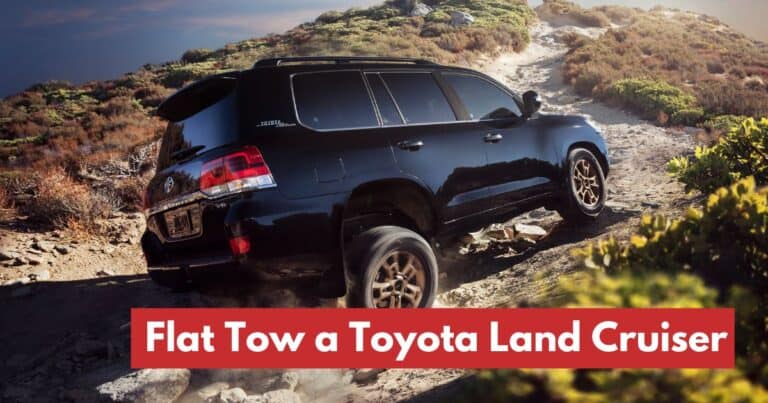
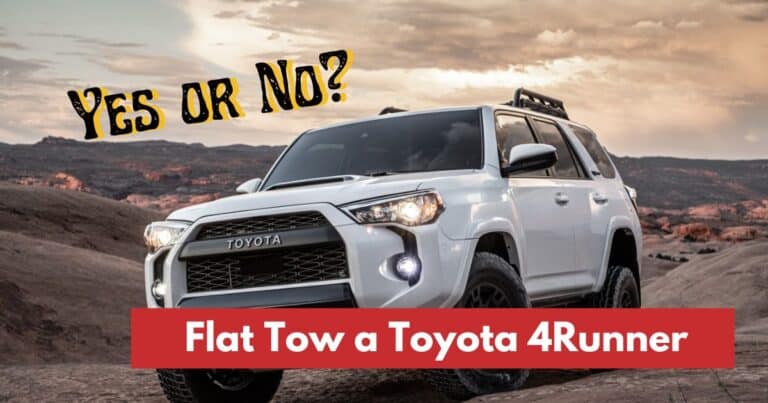
- What trucks and SUVs can be flat-towed
- How big a trailer can you tow without a CDL
Match a truck to your trailer
- What size truck for a 30-ft travel trailer
- What size truck for a 40-ft camper
- What truck to tow 20,000 pounds
- The biggest camper a half-ton can pull
Flat-towing by vehicle
Towing know-how
Towing FAQ
What does towing capacity actually mean?
It’s the maximum weight a vehicle is rated to pull when properly equipped — but payload and tongue weight often cap you first.
Is the brochure tow number the real limit?
Usually not. Once you add passengers and gear, payload is frequently the true ceiling. Always check both numbers.
Do I need a CDL to tow?
For most personal towing, no — it comes down to weight ratings, not trailer length. See our CDL guide for the thresholds.
Can I increase my towing capacity?
You can tow more safely with the right hitch, brakes, and setup, but you can’t exceed the manufacturer’s rating.
End of content
End of content