
Jeep Idling High Problem: What Causes It and How to Fix It
Quick answer: A Jeep that idles high usually has extra air getting into the engine, a dirty or sticking throttle body, a bad idle air control valve on older Jeeps, or an electronic throttle issue on newer models. Start with a vacuum leak check and throttle body inspection before buying sensors, because those two fixes solve a lot of high-idle complaints.
A warm Jeep should not sit there revving like it’s late for work. If your Wrangler, Cherokee, Grand Cherokee, Liberty, Compass, or older 4.0L Jeep is idling at 1,100, 1,500, or even 2,000 RPM after it’s warmed up, something is wrong.
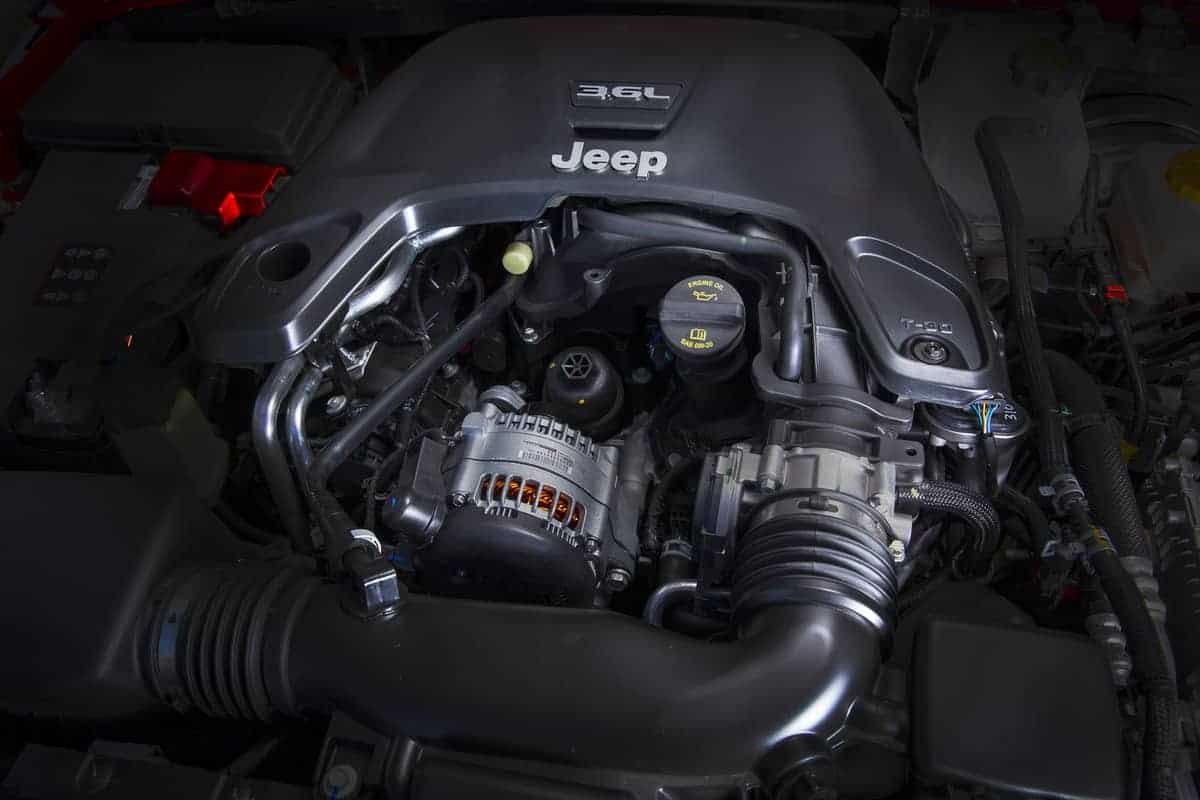
The Short Version: What “High Idle” Usually Means
High idle means the engine is running faster than the computer wants it to at idle. On many vehicles, code P0507 means “Idle Control System RPM Higher Than Expected,” and it can be caused by vacuum leaks, idle air control problems, throttle body issues, or sensor/circuit faults. Edmunds describes P0507 as the ECM detecting idle speed above the manufacturer’s specification, often tied to a vacuum leak, idle air control valve, or air-fuel issue.
| Symptom | Most Likely Cause | First Thing I’d Check |
|---|---|---|
| High idle only when cold | Normal cold-start flare, dirty throttle body, coolant temp sensor issue | Let it warm fully, then check actual RPM with a scanner |
| High idle all the time | Vacuum leak, PCV leak, throttle plate not closing | Smoke test intake system |
| Idle hangs when coming to a stop | Dirty throttle body, electronic throttle relearn issue, vacuum leak | Clean throttle body and check live data |
| Idle surges up and down | IAC valve, vacuum leak, dirty throttle body, MAP/TPS issue | Check for codes and inspect IAC/throttle body |
| High idle after battery disconnect or throttle cleaning | Idle relearn needed, throttle adaptation issue | Perform relearn procedure for that Jeep |
| High idle plus check engine light P0507 | PCM sees idle higher than target | Check vacuum leaks before replacing parts |
Full disclosure: I run two 4.0L Wranglers — a 1993 YJ and a 2006 TJ — and neither one has ever idled high on me. That’s less luck than the nature of the engine. The 4.0L inline-six is about as simple as engines get, which is exactly why, when one does idle high, it’s almost never the engine itself. It’s air sneaking in somewhere, a tired IAC valve, or a throttle body that just needs a wipe-down. So before you start throwing parts at it, work the cheap, boring stuff first — that’s where these Jeeps almost always hide the answer.
Is It Safe to Drive a Jeep With a High Idle?
Usually, you can limp it home or to a shop, but I wouldn’t ignore it. A Jeep idling too high can creep forward harder in gear, make stop-and-go traffic annoying, increase brake effort, waste fuel, and cause harsh shifts. Edmunds specifically warns that high idle can create drivability and safety problems because the vehicle may be harder to control during acceleration or deceleration.
Here’s the practical rule: if it idles at 900–1,100 RPM and drives normally, schedule the repair soon. If it’s idling at 1,500–2,500 RPM, surging, lurching into gear, or hard to hold back with the brake, park it until you diagnose it. Nobody needs their Jeep trying to leave the parking lot without them.
Common Causes of a Jeep Idling High
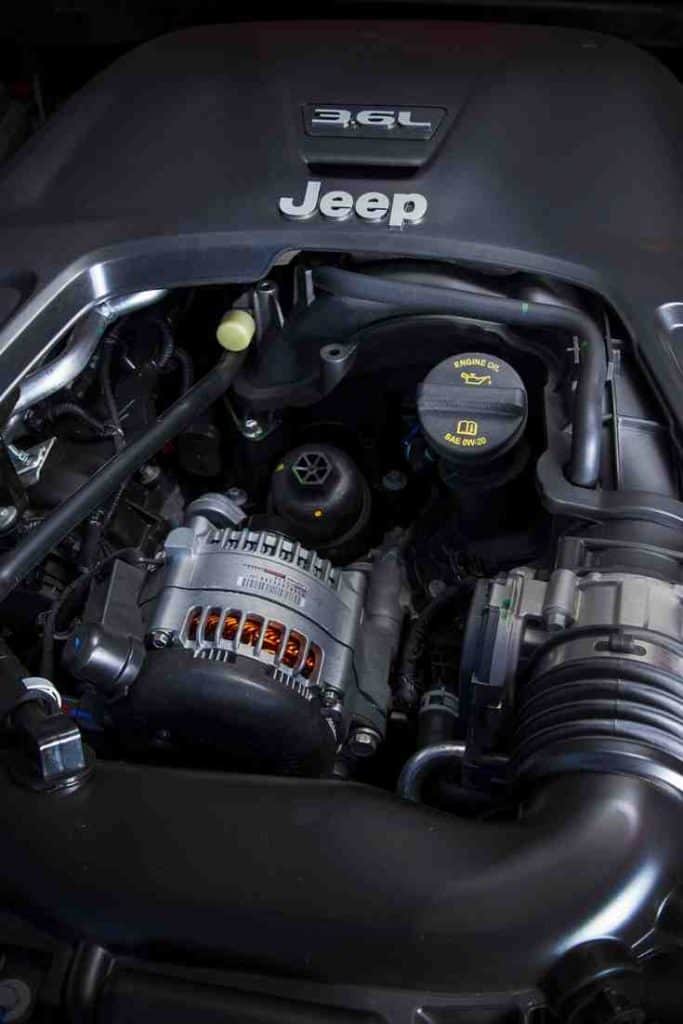
1. Vacuum Leak
This is the first place to look. A vacuum leak lets unmetered air into the intake. The engine computer adds fuel to match that extra air, and the idle climbs.
Common Jeep vacuum leak spots include:
- Cracked vacuum hoses
- PCV valve or PCV hose leaks
- Intake manifold gasket leaks
- Brake booster vacuum hose leaks
- Throttle body gasket leaks
- Loose intake tube clamps
- Cracked plastic elbows or fittings
On Jeeps specifically, the usual P0507 causes are PCV leaks, internal or external vacuum leaks, throttle body problems, and—rarely—a PCM issue.
2. Dirty or Sticking Throttle Body
A carboned-up throttle body can hold the throttle plate slightly open or confuse the idle control strategy. That tiny gap matters. At idle, the engine doesn’t need much air, so a little extra air can mean a lot of extra RPM.
This is especially common on Jeeps that have seen short trips, high mileage, dusty roads, or plenty of oil vapor through the PCV system. On newer electronic-throttle Jeeps, the throttle body itself helps control idle. On older cable-throttle Jeeps, the throttle body works with an idle air control valve.
3. Bad Idle Air Control Valve on Older Jeeps
Older Jeeps, especially many 4.0L-era Wrangler TJ, Cherokee XJ, Grand Cherokee ZJ/WJ, and similar models, often use an IAC valve mounted on or near the throttle body. The IAC meters bypass air around the throttle plate at idle.
If the IAC sticks open, the Jeep idles high. If it sticks closed, the Jeep may stall. If it’s dirty, it may surge like it’s trying to make up its mind.
On these older Jeeps, the idle air control valve is the small motor the computer uses to manage idle speed—and cleaning the IAC and its throttle-body port is worth trying before you replace it.
4. Electronic Throttle Control Problems on Newer Jeeps
Many newer Jeeps do not use a separate IAC valve. Instead, the PCM controls idle by moving the electronic throttle plate. That changes the diagnostic path.
For example, 2007–2011 Wrangler JK models with the 3.8L V6 use electronic throttle control, so they do not have a separate IAC valve; high idle is often traced to unmetered air, throttle body buildup, or electronic throttle issues.
That matters because replacing an IAC valve on a Jeep that doesn’t have one is a bold strategy. Not a good one, but bold.
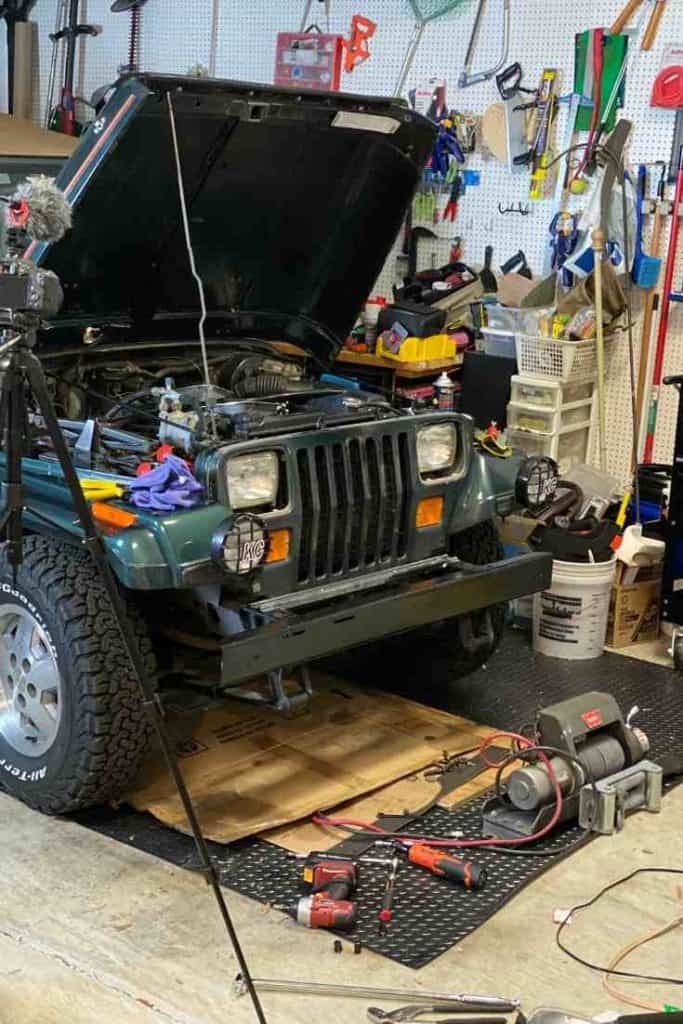
5. PCV System Problems
The PCV system routes crankcase vapors back into the intake. When a PCV valve sticks open or a PCV hose cracks, it can act like a vacuum leak.
This is cheap to inspect and often cheap to fix. On many Jeeps, a PCV valve or hose costs much less than a throttle body, MAP sensor, PCM, or dealer diagnostic bill. Check it early.
6. Throttle Position Sensor, MAP Sensor, or Coolant Temp Sensor Issues
Sensors can cause high idle, but I wouldn’t start there unless the scan tool points that way.
A bad TPS can report the wrong throttle angle. A bad MAP sensor can misread engine load. A coolant temperature sensor that says the engine is cold when it’s already warm can make the PCM command a higher idle than needed.
The clue is live data. Don’t guess. Look at what the computer thinks is happening.
7. Throttle Cable, Floor Mat, or Mechanical Binding
On older cable-throttle Jeeps, make sure the throttle linkage actually closes. Check for:
- Sticky throttle cable
- Binding cruise-control cable
- Misadjusted throttle stop
- Bent bracket
- Floor mat interfering with the pedal
- Return spring issue
This is basic, but basic wins. Before you buy a $250 part, make sure the throttle blade isn’t being held open by a $0 problem.
Jeep High Idle Diagnosis: What to Check First
Here’s the order I’d use.
| Step | Test | What You’re Looking For | DIY Difficulty |
|---|---|---|---|
| 1 | Read codes | P0507, P0505, P0121, P0122, P0171, P0174, MAP/TPS codes | Easy |
| 2 | Check warm idle RPM | Confirm it’s actually high once fully warm | Easy |
| 3 | Inspect intake tube and hoses | Cracks, loose clamps, disconnected vacuum lines | Easy |
| 4 | Check PCV valve and hose | Stuck valve, cracked elbow, oil-soaked hose | Easy |
| 5 | Smoke test intake | Smoke escaping from hoses, gaskets, fittings | Medium |
| 6 | Clean throttle body | Carbon around throttle plate or bore | Easy/medium |
| 7 | Inspect/clean IAC if equipped | Sticking pintle, dirty IAC passage | Easy/medium |
| 8 | Check live data | TPS angle, MAP reading, coolant temp, fuel trims | Medium |
| 9 | Perform idle relearn | Needed after cleaning/replacing throttle body on some models | Easy/medium |
| 10 | Consider throttle body/PCM diagnosis | Only after air leaks and basics are ruled out | Advanced |
How to Tell If It’s a Vacuum Leak
A vacuum leak often creates one or more of these signs:
- High idle that gets worse as the engine warms
- Hissing sound under the hood
- Lean codes like P0171 or P0174
- Idle changes when you move hoses
- Fuel trims strongly positive at idle
- RPM changes during a smoke test or careful leak test
The best method is a smoke test. It puts smoke into the intake system so you can see where air is escaping. That beats spraying random chemicals around a hot engine and hoping you don’t turn a repair job into a campfire.
How to Clean a Jeep Throttle Body
Use throttle body cleaner, not brake cleaner, and don’t force an electronic throttle plate unless the service procedure allows it.
Basic process:
- Disconnect the intake tube.
- Inspect the throttle plate and bore.
- Spray throttle body cleaner on a rag.
- Wipe carbon from the bore and plate edges.
- Reinstall the intake tube tightly.
- Start the Jeep and let it idle.
- Perform an idle relearn if needed.
On electronic throttle Jeeps, the idle may be weird right after cleaning. Some models relearn on their own after a few drive cycles. Others may need a scan-tool relearn. Use the Jeep service information for your exact year and engine.
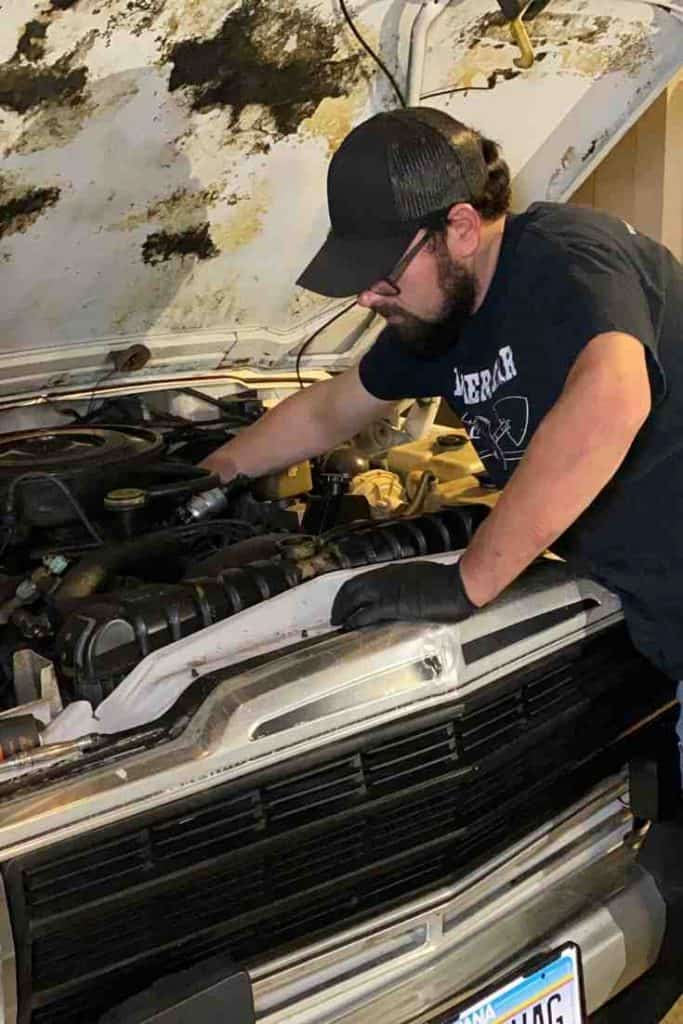
Older Jeep vs. Newer Jeep: The Big Difference
The fix depends heavily on whether your Jeep uses a separate IAC valve or electronic throttle control.
| Jeep Type | Common Examples | Idle Control Style | Common High-Idle Culprits |
|---|---|---|---|
| Older cable-throttle Jeeps | Many 4.0L Wrangler TJ, Cherokee XJ, older Grand Cherokee models | Throttle cable plus IAC valve | Dirty IAC, vacuum leak, TPS issue, throttle cable binding |
| Mid/newer electronic-throttle Jeeps | Wrangler JK, many later Grand Cherokee, Liberty, Compass, Renegade models | PCM-controlled electronic throttle body | Vacuum leak, dirty throttle body, throttle relearn issue, ETC fault |
| Modified/off-road Jeeps | Lifted, snorkeled, swapped, heavily repaired rigs | Depends on year/engine | Intake leaks, cracked hoses, wiring issues, poor grounds, tune problems |
The key takeaway: don’t use a one-size-fits-all diagnosis. A 1999 Cherokee 4.0L and a 2015 Wrangler 3.6L can both idle high, but they don’t control idle the same way. If you want a broader sense of how these rigs hold up over time, our Jeep Wrangler reliability guide and our roundup of common Jeep Grand Cherokee problems are good companion reads.
What If the Jeep Idles High Only on Cold Start?
A brief cold-start high idle is normal. The PCM raises idle speed to stabilize the engine and warm things up. The problem is when the idle stays high after the engine is warm.
If your Jeep starts at 1,200–1,500 RPM and settles down within a minute or two, that may be normal. If it stays at 1,500 RPM after driving for 15 minutes, start diagnosing.
What If the Jeep Idles High After Cleaning the Throttle Body?
That happens. Carbon buildup can slowly force the computer to adapt over time. Then you clean the throttle body, airflow changes, and the PCM may need to relearn the correct idle position.
Try this:
- Make sure the intake tube and all hoses are reconnected.
- Check for vacuum leaks you may have created.
- Clear codes only after fixing the issue.
- Let the Jeep idle fully warm with accessories off.
- Drive several normal cycles.
- Perform the factory idle relearn if the idle stays high.
Do not immediately assume the new throttle body, TPS, or PCM is bad. A missed hose clamp can make a perfectly good part look guilty.
Estimated Repair Costs
These are broad real-world ranges, not a quote. Labor rates and parts prices vary a lot by Jeep model, engine, region, and whether you use OEM or aftermarket parts.
| Repair | Typical Parts Cost | Typical Shop Cost | Notes |
|---|---|---|---|
| Reconnect loose vacuum hose | $0 | $0–$100 | Best-case scenario |
| Replace cracked vacuum hose/elbow | $5–$50 | $75–$200 | Very common on older Jeeps |
| Replace PCV valve/hose | $10–$80 | $80–$250 | Cheap place to look early |
| Clean throttle body | $8–$20 cleaner | $100–$250 | May need relearn |
| Replace IAC valve, if equipped | $25–$150 | $100–$300 | Older Jeeps only |
| Replace throttle body | $150–$600+ | $300–$900+ | Diagnose first |
| Intake manifold gasket leak | $30–$150 parts | $300–$900+ | Labor-heavy on some engines |
| Dealer/advanced scan diagnosis | — | $150–$250+ | Worth it before PCM guessing |
What I Would Not Do First
I would not start by replacing the PCM. I would not throw a throttle body at it just because a forum said so. And I definitely would not adjust the throttle stop screw unless the factory service information specifically tells you to.
High idle is usually an air problem, a dirty throttle body problem, an IAC problem, or a relearn problem. Start there.
When to Take It to a Mechanic
Take it in if:
- Idle is over 1,500 RPM when warm
- The Jeep surges forward in gear
- You have multiple codes
- You hear a loud vacuum leak but can’t find it
- You cleaned/replaced the throttle body and it still idles high
- The Jeep has electronic throttle warning lights
- You need a smoke test or scan-tool relearn
A good shop can smoke-test the intake, read live data, command idle controls, and confirm whether the PCM is requesting the high idle or fighting against it. That distinction matters.
Final Take
A Jeep idling high is usually not mysterious. It’s usually getting too much air, failing to control idle air, or trying to relearn after something changed.
Start with the cheap stuff: vacuum hoses, PCV system, intake tube, throttle body carbon, and IAC cleaning if your Jeep has one. Then move to live data and electronic throttle diagnosis. That order saves money and keeps you from building a small museum of perfectly good replaced parts. And if you’re chasing other gremlins while you’re under the hood, our other Jeep repair and maintenance guides walk through the most common ones.
FAQ
Why is my Jeep idling at 1,500 RPM?
A warm Jeep idling at 1,500 RPM usually has a vacuum leak, dirty throttle body, sticking idle air control valve on older models, or an electronic throttle control issue on newer models. Check for codes and inspect for air leaks first.
Can a bad PCV valve cause high idle on a Jeep?
Yes. A stuck-open PCV valve or cracked PCV hose can act like a vacuum leak and let extra air into the intake, raising idle speed.
Does a Jeep with electronic throttle control have an IAC valve?
Many newer Jeeps do not have a separate idle air control valve. They control idle with the electronic throttle body. For example, 2007–2011 Wrangler JK 3.8L models use electronic throttle control rather than a separate IAC valve.
Can I drive with code P0507?
You may be able to drive short-term, but it is not something to ignore. High idle can make the Jeep creep harder in gear, reduce fuel economy, increase emissions, and create control issues in traffic.
Will cleaning the throttle body fix high idle?
Sometimes, yes. If carbon is holding the throttle plate open or confusing airflow at idle, cleaning can help. But if the real issue is a vacuum leak, cleaning the throttle body will not fix it.
Why does my Jeep idle high after I cleaned the throttle body?
The PCM may need to relearn the clean throttle body’s airflow. Also double-check that every hose, clamp, and intake connection was reinstalled correctly. A loose intake tube or vacuum hose can cause the same symptom.
My 2001 grand Cherokee jeep cranes and want idle plus it acts like no fire but plus hot wire to it works fine but want idle.