What Is A Jeep Wrangler Catalytic Converter Lifespan?
Catalytic converters often last a long time because they don’t have moving parts. However, because they are critical to the vehicle’s operation, it’s important to know what the Wrangler catalytic converter lifespan is and what you can do to ensure safe operation.
How Long Does the Catalytic Converter Last in a Jeep Wrangler?
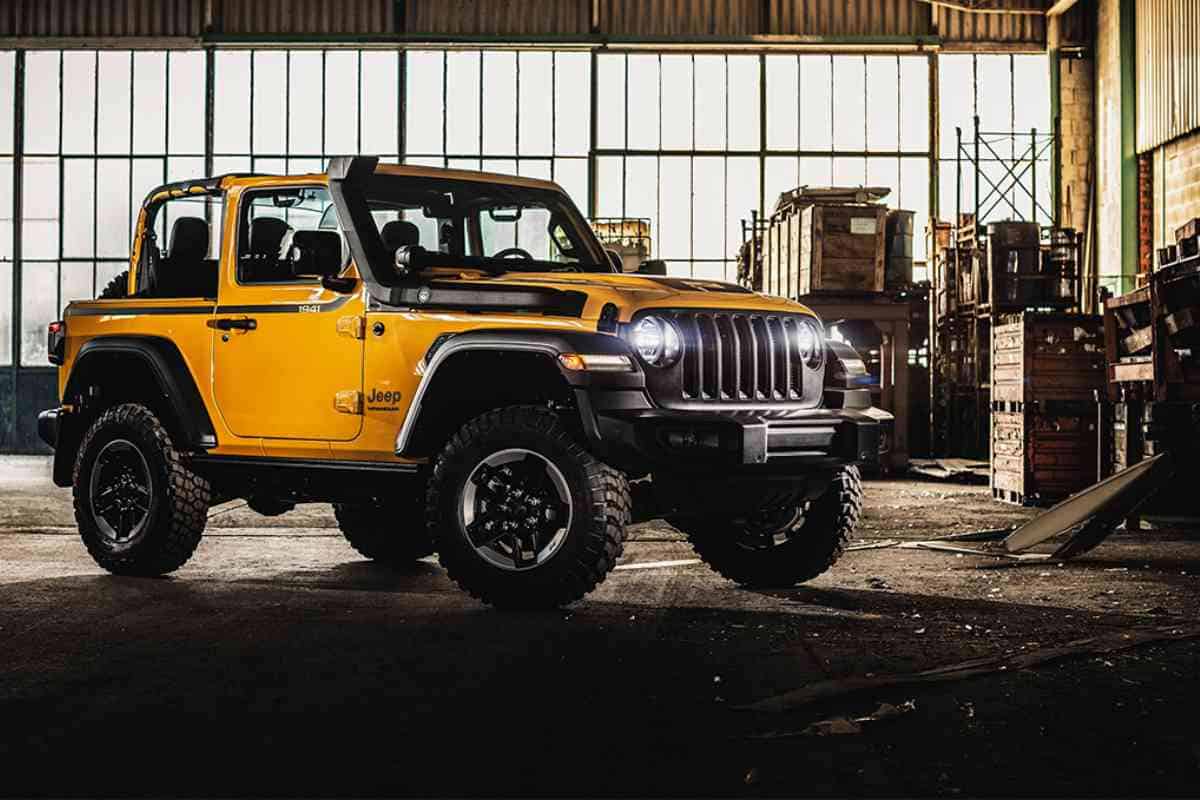
A catalytic converter can easily last for 100,000 miles. While a Jeep Wrangler can last for much longer than that, it will need repairs before then. Catalytic converters are long-lasting parts in Jeep Wranglers and other vehicles.
As a mechanic, I encourage people to do small repairs before large repairs become necessary. For example, small repairs to your engine prevent expensive repairs in the future. If your engine burns oil, fix the problem before it damages your catalytic converter.
Everything in your vehicle exists for a reason. So, if you take care of your engine, the chances of it damaging something more are less. At the same time, A catalytic converter should last about 100,000 miles in a modern vehicle including a Jeep Wrangler.
The Wrangler catalytic converter lifespan could outlast your ownership, and it happens in some cases. However, you might find yourself changing the catalytic converter if you drive a lot of miles.
With that being said, they’re tough. A catalytic converter is designed to last until the truck is starting to fall apart. By the time the catalytic converter breaks, you will also need other repairs.
A lot of the time, it’s better and cheaper to get a new car than to keep repairing an old one. The repair costs get higher and higher as the vehicle ages.
Premature Damage to Catalytic Converters
Now that we’ve seen that a Wrangler catalytic converter lifespan is around 100,000 miles, we have to explore what can cause them to fail prematurely.
The most common cause is an accident. If an accident damages the catalytic converter, it will fail long before 100,000 miles. There could also be manufacturing defects or other factors that make the converter fail early.
Improper installation is also critical. However, this can show signs very early on, and you can get them fixed. The following are some of the factors that can cause premature catalytic converter damage:
Fuel Additives
Some fuel additives aren’t good for catalytic converters and may make them fail early.
Engine Burning Oil
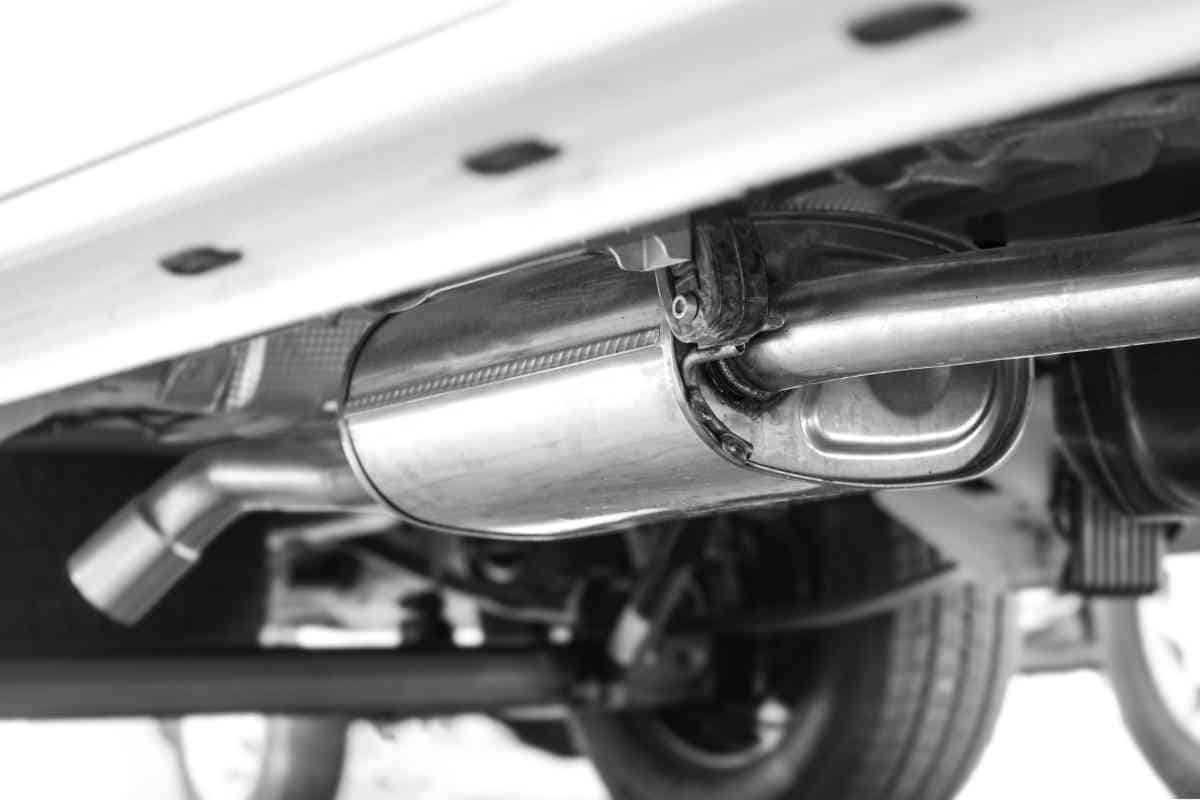
Problems with your piston rings or other engine parts may make the engine burn oil. This oil ends up in the exhaust, where it will wear out the catalytic converter faster.
Sometimes, you can spot burning oil because of smell, or blue smoke coming out of the exhaust. However, this isn’t always the case. Fix problems with your car early. If you don’t fix a problem, it will lead to other problems in the future.
Coolant Leaks
Your car’s coolant is a very harsh chemical that can dry up components fast. When there’s a leak, it can seep into the engine and into the catalytic converter, and causing reactions that are harsh and abrasive.
Not only that, but coolant leaks can damage seals and pipes. They can ravage your engine, so make sure that you fix any coolant leak quickly.
How Long Do Jeep Wranglers Last?
We’ve seen how the Wrangler catalytic converter lifespan is about 100,000 miles. For most people, this is more mileage than they will probably travel in said car. With that being said, Wranglers can last long.
Sometimes, Jeep Wranglers last for 400,000 miles. You do have to repair them before then, but you can keep them going. 250,000 miles is a better guess if you take very good care of them. So, considering the Wrangler catalytic converter lifespan, this can mean up to two or three changes.
The best way to keep your vehicle going for a long time is to fix problems early. Maintenance costs on Jeep Wranglers are fairly low, they should not be thought of as high-maintenance vehicles.
Oil, Filter, and Tires
You should change your Jeep Wrangler oil, filter, and tires often enough. Change the oil after 4,000 miles, change the tires after 6,000 or 8,000, and change the filter after 20,000.
Remember to check the wheel alignment, as misaligned wheels can slowly wear on suspension and steering components. The problem is that damage often accumulates before you see or feel anything. In the end, the repair bill can add up.
Brakes
Never drive with half-working brakes. After 40,000 miles you should replace the brake pads. The parking brake and brake linings should also be inspected.
If you hear noises when braking, get your brakes looked at shortly. You know what they say: don’t be stingy with brakes.
Batteries
Batteries need to be replaced once every four or five years. They last longer if you clean the terminals and secure the cables to the battery.
An old battery could still work, but it can slowly eat away at your starter. So, it’s best to change it before this more expensive component gets damaged.
Engine
Making a lot of small repairs on the engine will prevent problems that require major repairs.
You may need to replace the hose, engine timing belt, and drive belt only once every 50,000 or 80,000 miles. However, you should check them more often than that.
Using the right engine oil for your Jeep Wrangler will keep the engine going for longer. An oil that reduces friction is a good idea.
Rust
Jeep Wranglers are more vulnerable to rust than most vehicles. They are still great vehicles, but you have to be wary of rust. Rust will affect the bottom parts first.
What Does a Catalytic Converter Do?
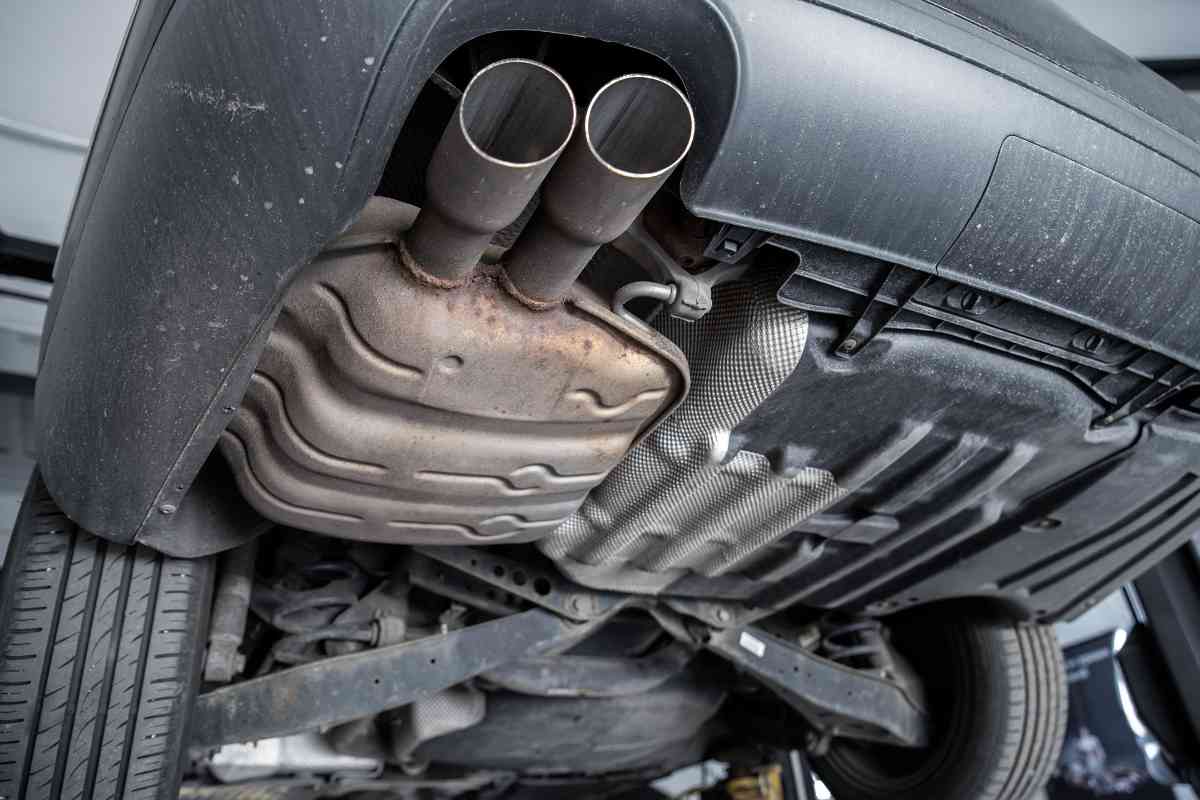
A catalytic converter is an environmental protection device. It makes your car’s exhaust less harmful, and it’s important for ensuring air quality around you.
Without a catalytic converter, your engine contains harmful oxides of nitrogen, carbon monoxide, and unburned fuel which turn into toxic emissions in the air. That’s why it’s designed to last for so long, and that’s why they’re expensive. Each catalytic converter costs upwards of $1,200. However, that’s not the only reason.
The catalytic converter converts the nitrogen oxide into plain nitrogen, which is harmless and everywhere in the air we breathe. Carbon monoxide becomes carbon dioxide, and the exhaust becomes significantly less harmful.
These converters require expensive metals like gold, palladium, and rhodium. These metals are necessary to speed up chemical reactions that turn exhaust chemicals into less harmful compounds.
Catalytic Converters Are Low Maintenance
Thankfully, catalytic converters on Jeep Wranglers and other cars don’t need to be maintained and last until late in the car’s life. That’s why it’s so comforting to hear that the Wrangler catalytic converter lifespan is 100,000 miles.
This is because of the lack of moving parts. There are no mechanical parts in a catalytic converter that can fail.
What Happens When a Catalytic Converter Starts Failing?
You might smell a bad odor in the car, though this could be caused by a lot of things. If there is a bad smell coming from your engine, it could be the catalytic converter.
However, if you think your Wrangler catalytic converter lifespan is nearing its end, then there are several things you can do. Let’s start by what the symptoms will likely be:
- Bad smells, mainly of an acrid, sulfuric smell (think of rotten egg).
- Loss of power, mainly because the exhaust cannot flow freely
- Sluggish acceleration, for the same reason
- You get codes on your scanner
If you have any of these, you can have your catalytic converter checked. A trained mechanic will likely run tests such as emissions and others.
Some Thieves Steal Catalytic Converters
There’s another reason why your catalytic converter might not work, and it could be because it’s gone! Believe it or not, some thieves will steal a catalytic converter. This is because it has precious metals in it.
At the same time, Jeep Wranglers are ideal targets. In this situation, the Wrangler catalytic converter lifespan matters very little. That’s because a car or a truck that is low to the ground is not a likely target for thieves. They prefer a truck that is high enough that they can easily slip under it. They can use a wrench or saw to steal the converter.
Be careful where you park your car. A thief could not steal a catalytic converter in broad daylight with people around. However, as the following video explains, they can do so rather quickly:
Key Takeaways
- Catalytic converters in newer vehicles including Jeep Wranglers last for about 100,000 miles. Sometimes, this is near the end of the Jeep’s life. However, a Jeep Wrangler might last for 250,000 or even 400,000 miles with repairs.
- Catalytic converters make exhaust less harmful. They cause chemical reactions that turn harmful oxides into harmless gases.
- An impact from an accident might damage your catalytic converter. If you use the wrong fuel additives this can wear it out faster. If your engine is burning oil, this creates wear and tear on your converter.
- Some thieves steal catalytic converters because they contain precious metals.
- Since catalytic converters do not have moving parts, they do not require maintenance.
Closing Thoughts To “Jeep Wrangler Catalytic Converter Lifespan.”
Knowing your Wrangler catalytic converter lifespan is a good way of knowing when you have to change it. This device is often forgotten, because it doesn’t move, nor does it make any noise, but it’s as valuable as others.
A Wrangler catalytic converter lifespan is around 100,000 miles. Anything below that is not normal, and anything more than that is good fortune. While there’s not much you can do to it for maintenance, keep your car in good conditions is critical.