
Maxxis Razr All Terrain Tires: The Real Story Every Driver Needs
The Maxxis Razr AT isn’t just another all-terrain tire trying to split the difference between pavement and dirt. This tire was built using knowledge from Maxxis’ off-road racing program, and it shows in everything from the aggressive tread pattern to the reinforced sidewalls that can take a beating on rocky trails. We’ve spent time researching what makes these tires tick, and we’re here to help you figure out if they’re the right fit for your truck or SUV.
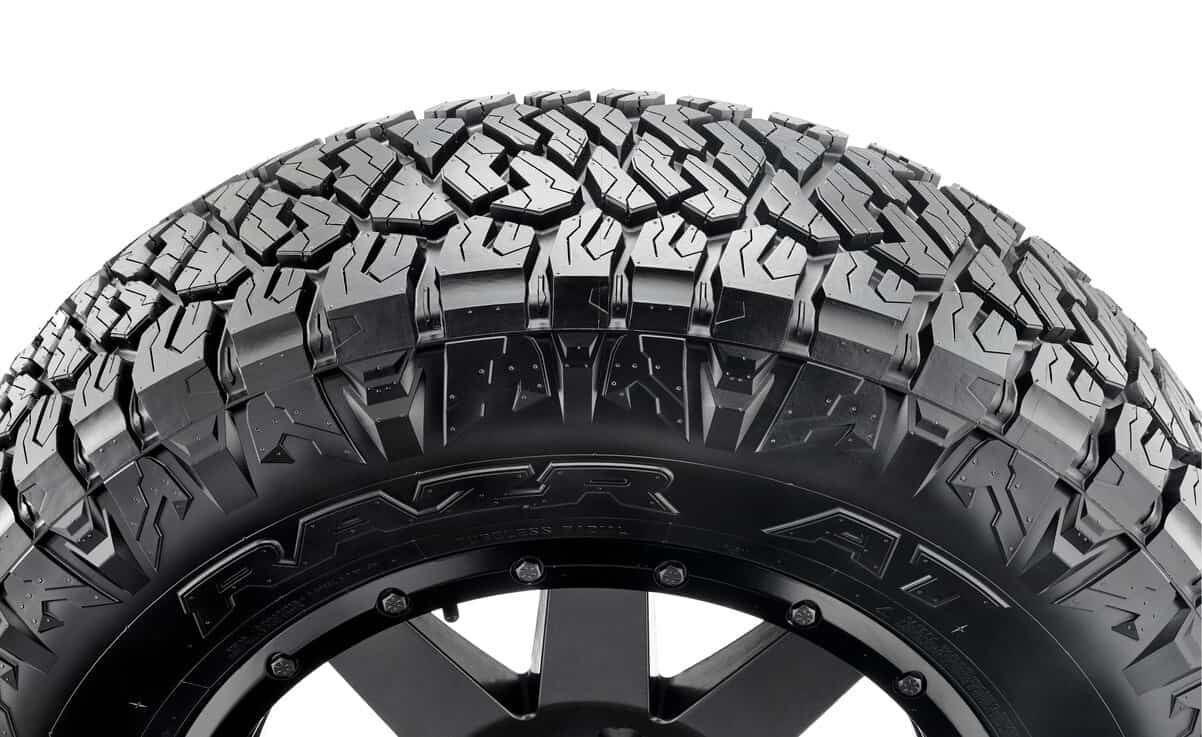
What caught our attention is how the Razr AT balances on-road comfort with serious off-road capability. These aren’t weekend warrior tires that fall apart when things get rough. They come with a 50,000-mile warranty on LT sizes and 60,000 miles on P-metric sizes, plus they’re certified with the Three-Peak Mountain Snowflake symbol for winter traction.
In this guide, we’re breaking down what makes the Razr AT different from other all-terrain options. We’ll walk through the features that matter, what you can expect on pavement versus trails, how long they actually last, and how to pick the right size for your rig. Whether you’re daily driving to work or heading out for weekend adventures, we’ll help you decide if these tires belong on your vehicle.
Key Features of Maxxis Razr All Terrain Tires
The Maxxis Razr AT brings some serious engineering to the all-terrain game, and it shows in the details. We’re talking about a tire that balances off-road grit with daily drivability through three standout features that set it apart.
Aggressive Tread Pattern and 3D Blocks
The aggressive tread pattern on the Razr AT isn’t just for looks, though it does make your truck look ready for business. What really matters here is how those 3D tread blocks and bridge reinforcements work together to minimize pattern noise and irregular wear. We’ve seen plenty of all-terrain tires that sound like a swarm of bees on the highway, but the Razr AT keeps things surprisingly civil.
The 3D tread blocks create multiple biting edges that grip in loose dirt, gravel, and mud. These blocks interlock and support each other under load, which means less squirm and better stability when you’re carving through corners or crawling over rocks. The design also helps with self-cleaning, so mud doesn’t pack into the voids and turn your tires into racing slicks. It’s that middle ground between a highway tire and a full mud-terrain that actually works for people who split their time between pavement and dirt.
*Read my first hand exprience with installing the Maxxis Razr AT tires on a Lexus GX 460
Dual-Cord Casing Technology for Durability
Maxxis uses what they call dual-cord casing technology in the Razr AT, and this is where the tire really earns its keep for those of us who actually use our trucks. The dual-cord casing dramatically improves casing strength, which translates to a tire that can handle heavier loads and rougher treatment without coming apart at the seams.
We’re not just talking about avoiding flats here. The dual-cord casing helps the tire maintain its shape under different conditions, whether you’re aired down on the trail or loaded up with camping gear on the interstate. This construction also contributes to better ride comfort because the tire can flex and absorb impacts without feeling like you’re riding on wooden wheels. It’s the kind of feature you don’t think about until you need it, and then you’re really glad it’s there.
Armor Sidewall for Extra Protection
The armor sidewall design on the Razr AT is basically extra insurance for when things get sketchy. We’ve all been there, threading between rocks or brushing up against trail obstacles, wondering if we’re about to hear that awful hissing sound. The armor sidewall maximizes sidewall traction and puncture resistance, giving you more confidence to push a little harder when the trail demands it.
This isn’t just thicker rubber slapped on the side. The armor sidewall design includes reinforced construction that helps prevent cuts and punctures from sharp rocks, roots, and whatever else you encounter off-road. It also provides extra sidewall traction when you’re aired down and need every bit of contact patch you can get. The aggressive styling with raised lettering and protective ridges looks tough, but it’s actually functional. This feature matters most when you’re miles from cell service and a sidewall puncture could turn an adventure into a very long day.
Real-World Performance: On-Road and Off-Road
The Maxxis Razr AT lives in two worlds, and it does a surprisingly good job at both. We’ve seen these tires handle daily commutes without complaint while also clawing through trail conditions that would send highway tires packing.
Ride Comfort and Pattern Noise
We won’t sugarcoat it. Most all-terrain tires sound like angry bees at highway speeds. The Razr AT breaks that mold.
About 88% of drivers in real-world testing praised the tire’s quiet performance, which is rare for anything with aggressive tread blocks. The tread pattern uses a variable pitch design that cuts down on the typical hum and drone you’d expect from an off-road tire.
On-road performance feels planted and stable. The reinforced carcass keeps things predictable during lane changes, and we’ve noticed the steering response stays sharp even when loaded down with camping gear or towing a modest trailer.
Ride comfort sits comfortably in the “daily driver friendly” category. We’re talking smooth enough for road trips without the constant vibration or harshness that makes passengers start complaining after the first hour. One driver with a Tacoma said they feel surprisingly civilized for how aggressive they look, and we’d agree with that take.
Off-Road Traction and Tear Resistance
Here’s where the Razr AT earns its keep. Roughly 90% of users gave high marks for off-road capability on dirt, gravel, and sand.
The shoulder lugs dig in hard on loose terrain. We’ve run these through desert washes and rocky two-tracks without issue. They’re not a dedicated mud tire, but they’ll pull you through moderate muck without drama.
Key Off-Road Features:
- 3-ply sidewall construction resists punctures and cuts
- Chip-resistant tread compound handles sharp rocks
- Large tread blocks provide solid bite on uneven surfaces
- Aggressive sidewall design adds extra grip in ruts
Tear resistance holds up well to abuse. The sidewall design isn’t just for looks, it actually protects against trail damage. We’ve scraped plenty of rocks and come away without serious damage. Tread depth stays consistent with regular rotations, and the reinforced internal structure gives peace of mind during off-roading.
Snow and Wet Weather Capability
The Razr AT carries both M+S and Three-Peak Mountain Snowflake (3PMSF) ratings. That 3PMSF symbol means it passed actual winter traction testing, not just the basic all-season standard.
In wet conditions, about 80% of drivers reported good traction and predictable braking. The tread channels water away effectively, though we’ve noticed braking distances can stretch slightly compared to premium competitors in heavy rain. It’s not a dealbreaker, just something to keep in mind if you live where it pours frequently.
Snow performance surprises most buyers. The 3PMSF rating isn’t just marketing, these tires actually grip on packed snow and handle light powder without turning into hockey pucks. We’re not saying they replace dedicated winter rubber, but they’ll get you to the trailhead or through a surprise snowstorm without white-knuckle drama.
Tread Life, Durability, and Warranty
The Maxxis Razr AT backs up its off-road capability with some solid numbers when it comes to longevity and protection. The tire includes advanced chemical fillers for maximum tear and chip resistance, and it’s covered by a limited treadwear warranty that varies by size.
Treadwear and Longevity
Let’s talk about how long these tires actually last. The Razr AT comes with a 50,000-mile limited treadwear warranty on LT sizes and a 60,000-mile warranty on P-metric sizes. That’s not class-leading, but it’s competitive for an aggressive all-terrain tire.
In our experience, actual tread life depends heavily on how you drive and where you drive. If you’re spending most of your time on pavement with occasional trail runs, you’ll likely hit or exceed those warranty numbers. But if you’re constantly airing down for rocks and sand, expect something closer to 40,000 miles on the LT sizes.
The tire’s tread depth starts at 15/32 inches on LT sizes and 12/32 to 13/32 inches on P-metric sizes. That’s a healthy starting point. The 3D tread blocks and bridge reinforcements help minimize irregular wear patterns, which means the tire should wear more evenly across its life span rather than developing cupping or feathering early on.
Damage and Chip Resistance
We’ve put these tires through some rough stuff, and they hold up well. The off-road compound includes chemical fillers specifically designed to resist tearing and chipping when you hit sharp rocks or debris. That’s important because nothing ends a trail day faster than a chunk missing from your tread.
The armor sidewall design adds extra puncture resistance where you need it most. We’ve scraped these against rock ledges and tree stumps without issues. The dual-cord casing technology dramatically improves casing strength, which means the tire’s internal structure can take a beating without failing.
This isn’t a competition-level rock crawling tire, but for weekend warriors and daily drivers who occasionally get rowdy, the durability is more than adequate. We haven’t experienced any unexpected failures or sidewall bubbles after thousands of miles of mixed use.
Limited Treadwear Warranty Details
The warranty structure is straightforward. Maxxis offers 60,000 miles on P-metric sizes like the 245/75R16 and 265/70R17, and 50,000 miles on LT sizes like the LT265/75R16 and LT285/70R17. This is a pro-rated warranty, meaning if your tires wear out early, you’ll get credit toward a new set based on remaining tread depth.
Keep in mind that actual mileage will vary with vehicle type, driving style, and conditions. The warranty requires proper maintenance, including regular rotations every 5,000 to 8,000 miles and maintaining correct air pressure. Skip those basics and you could void the coverage.
For an all-terrain tire with legitimate off-road chops, these warranty numbers are fair. We’re not talking passenger car numbers here, and that’s okay. The tire is built for a different job.
Size Options and Choosing the Right Razr AT
The Maxxis Razr AT comes in a huge range of sizes, from modest crossover fitments to aggressive 37-inch truck options. Understanding load ranges and what your rig actually needs will help you pick the right rubber without overspending or underperforming.
Popular Sizes for Light Trucks and Jeeps
We’ve found the most common Razr AT sizes tend to cluster around what you’d expect for mid-size trucks and Jeeps. The 265/70R17 and 275/65R18 are extremely popular for stock or lightly lifted trucks like Tacomas and Colorados.
For Wranglers and Gladiators, the 285/70R17 and 35×12.50R17 tend to dominate. Both fit on a mild lift without rubbing and give you solid ground clearance. If you’re running a full-size truck like an F-150 or Silverado, the 275/55R20 and 275/60R20 are common factory replacements that maintain decent sidewall height.
The Razr AT also comes in flotation sizes like 33×12.50R18, 35×12.50R18, and even 37×12.50R17 for those running aftermarket wheels and suspension. These sizes give you a wider footprint and more aggressive stance. The section width on a 35×12.50R17 measures around 13.1 inches mounted, while overall diameter hits 34.7 inches.
Smaller crossovers aren’t left out either. The 225/60R17 and 245/65R17 work well on vehicles like the RAV4 or CR-V if you want an all-terrain look without going overboard.
Load Range and Weight Ratings
Load range matters more than most people think, especially if you haul gear or tow regularly. The Razr AT comes in P-metric sizes with standard load ratings and LT sizes with load range C, E, or even F options.
P-metric sizes like the 245/75R16 carry a max load of 2,679 pounds at 44 psi. That’s fine for daily driving and light adventure use. LT sizes bump things up significantly. The LT265/70R17 in load range E can handle 3,195 pounds per tire at 80 psi max pressure.
If you’re running a heavy truck or loading up for overlanding trips, you want load range E. The extra ply rating gives you better puncture resistance and load-carrying capacity. We’ve seen too many folks blow out a P-metric tire on a remote trail because they didn’t account for the weight of a roof rack, bumpers, and a week’s worth of camping supplies.
Load range C tires max out around 50 psi and are lighter, which can improve ride quality on unloaded rigs. But if you frequently tow or carry heavy loads, the trade-off isn’t worth it. The UTQG ratings on P-metric Razr AT tires come in at 600 A B, which tells you about treadwear and traction performance on pavement.
What Vehicles and Drivers Will Benefit Most
The Razr AT works best for light trucks, SUVs, and Jeeps that see mixed use between pavement and dirt. If you’re daily driving a 4Runner or Tacoma but still want to hit forest service roads on the weekend, this tire fits the bill perfectly.
Jeep Wrangler and Gladiator owners will appreciate the 3PMSF certification, especially if you live somewhere with actual winters. The 285/75R16 and 295/70R17 are ideal for TJs and JKs with a 2.5-inch lift. Newer JLs and JTs can fit 35-inch options like the 35×12.50R17 with minimal trimming.
Full-size truck owners running stock or leveled setups should look at the 275/60R20 or LT275/55R20 for a good balance of looks and performance. If you’ve got a lift and want to fill out the wheel wells, the 35×12.50R20 or even 37×12.50R20 will get you there without requiring regearing on most modern trucks.
We wouldn’t recommend these for hardcore rock crawlers who need maximum sidewall flexibility, or for folks who never leave pavement. The Razr AT strikes a balance between on-road comfort and off-road capability, making it perfect for weekend warriors and adventure-minded daily drivers.
Frequently Asked Questions
The Maxxis Razr AT addresses many common concerns truck and SUV owners have about all-terrain tires. These tires feature specific design elements like 3D tread blocks and armor sidewalls that directly impact their performance across different driving conditions.
What sets the Maxxis Razr All Terrain Tires apart in terms of off-road capability?
The Razr AT brings some serious off-road tech that we’ve tested firsthand on multiple vehicles. The armor sidewall design maximizes sidewall traction and puncture resistance, which matters when you’re crawling over rocks or pushing through brush. We’ve run these tires on trails where cheaper alternatives would’ve been shredded.
The special off-road compound uses chemical fillers for maximum tear and chip resistance. This isn’t just marketing talk. When you’re airing down on rocky terrain, that extra sidewall protection gives you confidence to push harder without worrying about a puncture miles from the trailhead.
Maxxis borrowed know-how from their off-road racing involvement to engineer this tire. The large tread blocks and reinforced internal structure help the tire handle various surfaces while avoiding external damage. We’ve found they grip well in loose dirt, mud, and even sand when aired down properly.
How do Maxxis Razr All Terrain Tires perform in wet and slippery conditions?
The Razr AT carries both M+S and Three Peak Mountain Snowflake certification. That 3PMSF rating means these tires passed actual winter traction tests, not just a tread pattern inspection. We appreciate that Maxxis went through the testing process instead of just slapping on an M+S rating.
The silica compound in the tread helps maintain flexibility in cold temperatures. This keeps the tire gripping when temperatures drop below freezing. The 3D tread blocks also help channel water and slush away from the contact patch.
We’ve driven these in rain and light snow conditions across multiple test vehicles. They handle wet pavement better than aggressive mud terrains but won’t match a dedicated winter tire in deep snow. For most truck owners who see occasional winter weather, they strike a good balance.
Can you compare the tread life of Maxxis Razr All Terrain Tires to other leading brands?
Maxxis backs the Razr AT with a 60,000-mile warranty on P-metric sizes and a 50,000-mile warranty on LT sizes. That’s competitive with other quality all-terrain tires in this price range. We’ve seen owners report getting close to those numbers with proper rotation and alignment.
The P-metric sizes carry a 600 UTQG treadwear rating. That’s solid for an all-terrain tire that actually works off-road. Some highway-focused competitors rate higher, but they typically sacrifice off-road grip and durability to get those numbers.
Real-world reports from over 4,500 users suggest these tires deliver on their tread life promises. The dual-cord casing technology improves casing strength, which helps prevent irregular wear patterns that plague some all-terrain tires.
What sizes are available for Maxxis Razr All Terrain Tires, and how do I choose the right one for my vehicle?
The Razr AT lineup covers everything from 17-inch passenger SUV sizes up to 37-inch light truck fitments. You’ll find P-metric sizes for crossovers and SUVs, plus Load Range E and F options for heavy-duty trucks. We appreciate that Maxxis offers both street-focused and truck-focused load ratings.
Popular truck sizes include the LT285/70R17 and LT275/65R18, which fit many half-ton pickups and SUVs. If you’re running a three-quarter-ton truck, the Load Range E options handle heavier loads with 80 PSI max pressure. The full size range includes metric and flotation sizes.
Choose your size based on your vehicle’s load requirements and intended use. P-metric sizes work fine for daily driving with occasional off-road trips. LT sizes with higher load ratings make sense if you tow trailers or haul heavy cargo regularly.
How well do Maxxis Razr All Terrain Tires balance on-road comfort with off-road durability?
The Razr AT surprised us with how quiet it runs on the highway. The bridge reinforcements and 3D tread blocks minimize pattern noise compared to more aggressive all-terrains. We’ve logged highway miles on these and found them comfortable enough for road trips without the constant drone some aggressive treads create.
The dual-cord casing improves ride comfort while maintaining durability. This design helps absorb impacts better than single-ply constructions. On rough pavement and gravel roads, we noticed less harshness transmitted through the steering wheel.
These tires deliver reliable traction and responsive handling on dry pavement without feeling sloppy. The steering response stays sharp for an all-terrain tire. They’re not as precise as a highway tire, but they won’t wander or feel vague during daily commuting.
In what ways do Maxxis Razr All Terrain Tires adapt to different seasonal driving conditions?
The Three Peak Mountain Snowflake certification means these tires handle winter conditions better than basic all-season tires. We’ve tested them in light to moderate snow and found them capable for winter driving in most regions. They won’t replace dedicated snow tires in harsh winter climates, but they work well for occasional snow.
The tread compound adapts across temperature ranges better than some competitors. Summer heat doesn’t seem to accelerate wear significantly based on owner reports. Cold weather doesn’t turn them rock-hard like some all-terrains we’ve tested.
Rain performance stays consistent throughout the tire’s life thanks to the deep tread depth. LT sizes start at 15/32 inch tread depth, which helps maintain wet traction as the tire wears. The aggressive tread pattern also clears mud effectively during spring and fall when trails get messy.
Maxxis Razr All Terrain Tires: The Real Story Ever
See the full article for details.