
10 Reasons the GMC Yukon Gets Bad Reviews: What Owners Really Say
The GMC Yukon has been a popular choice for families who need serious space and towing power. But over the years, this full-size SUV has earned a reputation that isn’t always flattering. If you’ve been reading reviews or hearing complaints from Yukon owners, you’re probably noticing a pattern of mechanical headaches, expensive fixes, and frustrating reliability issues that keep popping up across multiple model years.
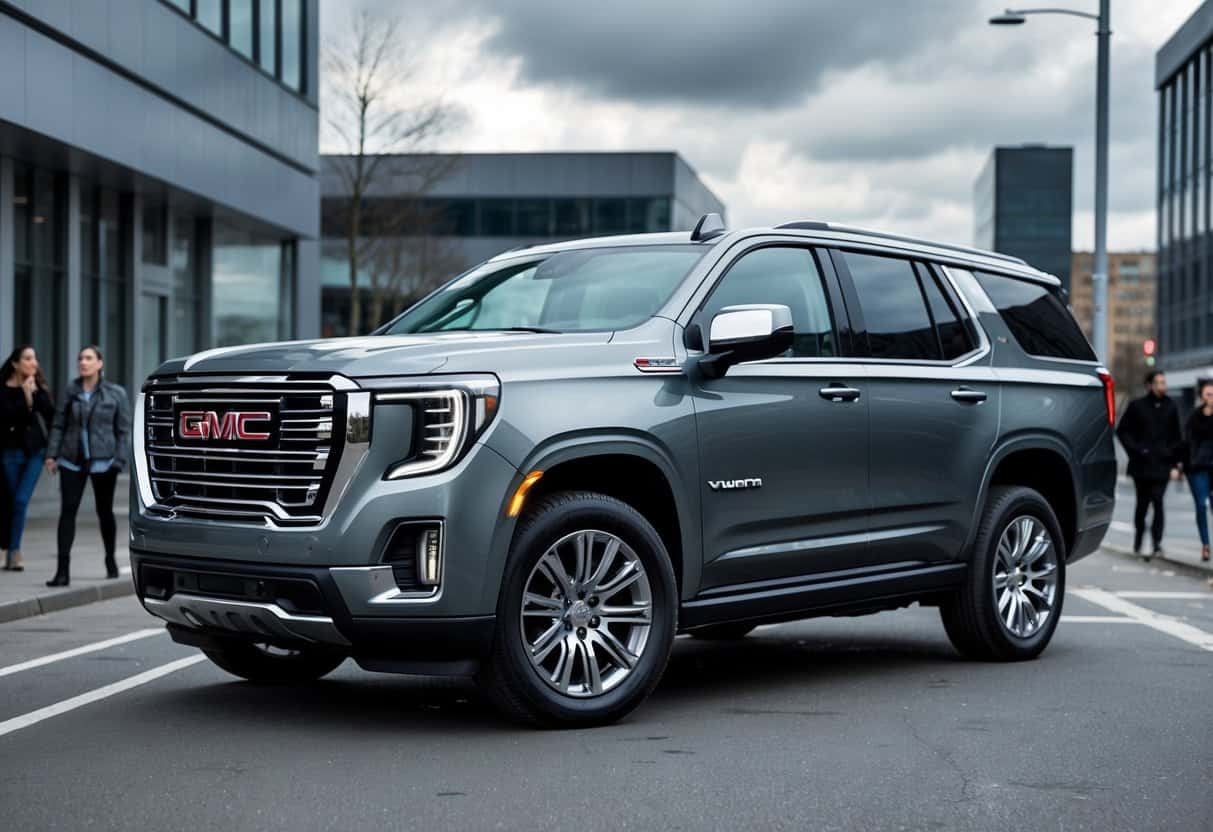
You might be wondering why such a capable and roomy vehicle gets so much criticism. The truth is that certain Yukon generations have struggled with everything from transmission problems to electrical gremlins that can leave you stranded or staring at a dashboard full of warning lights. Understanding these common issues can help you decide whether a Yukon is right for you or which years to avoid entirely.
This article breaks down the specific problems that have hurt the Yukon’s reputation. You’ll learn about the mechanical failures that plague certain model years, the repair costs that catch owners off guard, and how the Yukon stacks up against its competition when reliability really matters.
1) Recurring transmission failures in 2015 and 2021 models
If you’re shopping for a used Yukon, you need to know about the transmission issues that have given certain model years a rough reputation. The 2015 and 2021 Yukons stand out for all the wrong reasons.
The 2015 models have dealt with serious recalls and transmission failures that left owners stranded. We’re talking about complete transmission replacements in some cases. That’s not a cheap fix, and it’s definitely not something you want to deal with on a vehicle that should be reliable.
The 2021 models got caught up in GM’s massive recall of nearly 500,000 vehicles over faulty transmissions. The problems ranged from rough shifting to sudden power loss. Some owners reported their transmissions needed complete replacement after just a few months of ownership.
These aren’t minor hiccups. Common transmission issues in GMC Yukons include hesitation, rough shifting, and unexpected gear changes. When you’re paying Yukon money, you deserve better than a transmission that acts like it’s learning to drive stick for the first time.
2) Frequent HVAC system issues causing poor A/C performance
https://www.youtube.com/watch?v=hmoxXdypruk
You’ll hear this complaint a lot from Yukon owners. The climate control system just doesn’t hold up like you’d expect in a truck this expensive.
Low refrigerant levels are the most common culprit when your A/C stops blowing cold. Leaks develop over time, and suddenly you’re sweating through summer road trips. Not fun when you’ve got kids in the back.
But it’s not just refrigerant. Dirty cabin air filters, clogged condensers, and faulty blend door actuators can all kill your cooling performance. The electrical system can act up too, leaving you with controls that don’t respond properly.
What really gets owners frustrated is how often these problems pop up. GMC A/C issues are common enough that they’ve become a known weak point across the lineup.
Sometimes you’ll need to recalibrate the HVAC system after repairs, which is an extra step most people don’t expect. When you’re paying premium prices for a full-size SUV, you shouldn’t be dealing with A/C headaches this often.
3) High number of recalls across various model years
The Yukon has racked up an eye-watering number of recalls over the years. We’re talking about 57 to 60 safety recalls depending on how you count them. That’s a lot of trips back to the dealership.
What makes this particularly frustrating is how widespread the issues are. The recalls aren’t limited to one or two problem years. They span multiple generations and model years, from older models right up through recent ones.
Some years got hit especially hard. The 2021 model year alone had 12 separate issues that required dealer visits. That’s not exactly the ownership experience you’re hoping for when you drop serious money on a full-size SUV.
The recalls cover everything from minor annoyances to serious safety concerns. Some involve engine components that affect hundreds of thousands of vehicles across GM’s lineup. Others deal with electrical systems, airbags, and transmission problems.
For potential buyers, this track record is worth considering. You might get lucky with a trouble-free Yukon. But the odds suggest you’ll probably be making at least one recall visit during your ownership.
4) Unreliable electronics leading to dashboard warning lights
You’ll find plenty of Yukon owners complaining about their dash lighting up like a Christmas tree for no apparent reason. It’s one of those problems that’ll make you question your life choices at 7 a.m. on a Monday.
Multiple warning lights that stay illuminated often point to issues with the Body Control Module. This is the computer that manages your electrical systems. When it goes bad, you might see traction control, ABS, and engine lights all come on at once.
Some owners have dealt with no bus communication problems that required replacing the Electronic Brake Control Module to fix everything. That’s not a cheap repair, and it’s frustrating when it happens on a vehicle that costs as much as a Yukon.
Flickering warning lights and unresponsive gauges create real safety concerns. You need accurate information while you’re driving. When your instrument cluster acts up, you’re basically flying blind.
The worst part is that these electrical gremlins can be tough to diagnose. You might end up paying for hours of shop time just to find the problem.
5) Known problems with the air conditioning compressor lines
Your GMC Yukon’s AC system has a frustrating weak spot. The compressor and its related lines tend to fail more often than they should.
AC compressor failures are a common complaint among Yukon owners. You might notice your cold air suddenly turns warm on a hot summer day. That’s often the first sign something’s gone wrong.
The compressor sits under a lot of pressure and heat. Over time, this stress wears down internal parts and causes breakdowns. Some owners report intermittent hot air issues where the AC works fine one minute and fails the next.
Refrigerant leaks are another frequent culprit. When your lines develop leaks, the whole system stops cooling properly. These repairs aren’t cheap either. You’re looking at replacing the compressor, seals, and refrigerant all at once in many cases.
The problem affects multiple model years. If you’re shopping for a used Yukon, ask about the AC history. A working system today doesn’t guarantee it’ll stay that way next summer.
6) Spotty reliability scores dragging down owner satisfaction
The Yukon’s reliability ratings paint a mixed picture that can leave owners frustrated. GMC scores just 33 out of 100 in overall reliability, and the Yukon has racked up 57 recalls over its lifetime. That’s a lot for a vehicle that can easily push $80,000 or more.
What really stings is the inconsistency between model years. Some years are solid, while others are plagued with transmission issues, engine problems, and electrical gremlins. J.D. Power rates quality and reliability based on both initial ownership and three-year dependability scores, but the Yukon doesn’t always shine in either category.
When you’re dropping near six figures on a full-size SUV, you expect it to hold up. The reality is that owners report varying experiences, especially with newer models and the diesel engine option. You might get lucky with a bulletproof example, or you could end up dealing with repeated dealer visits. That uncertainty kills confidence and leaves a sour taste that shows up in reviews.
7) Costly repairs related to the Yukon’s complex wiring

The Yukon’s electrical system can hit your wallet hard when things go wrong. Modern SUVs pack a ton of technology, and all those features need wiring to connect everything together.
Wiring problems have been a recurring issue for Yukon owners over the years. You might notice glitches with your infotainment system, warning lights that flash for no clear reason, or power running boards that stop working. These issues often trace back to damaged wiring harnesses or corroded connections.
The problem is that diagnosing electrical gremlins takes time. Electrical system diagnosis typically costs between $122 and $179 just to figure out what’s wrong. That’s before any actual repairs happen.
If you need a wiring harness replacement, you’re looking at a serious bill. The parts alone aren’t cheap, and the labor to remove panels and route new wiring adds up quickly. The 2015 Yukon saw various interior accessory problems around 82,000 miles with average repair costs hitting $700.
Complex wiring means more potential failure points as your Yukon ages.
8) Faulty fuel system components affecting drivability
The GMC Yukon has a frustrating habit of developing fuel system issues that can leave you scratching your head or worse, stranded on the side of the road. Owners have reported everything from rough idling to complete engine shutdowns with little warning.
One of the biggest troublemakers is the fuel pump control module. This component can fail and trigger codes like P129F, which some owners have experienced even on newer models with low mileage. When it goes bad, you might deal with no start conditions, stalling, or sudden loss of power.
The fuel pump itself can also wear out prematurely. You’ll notice symptoms like hesitation during acceleration, sputtering at highway speeds, or difficulty starting your Yukon.
Fuel injectors can cause problems too, though they typically last longer than other components. Even one bad injector can noticeably affect how your truck drives.
These aren’t cheap fixes either. Professional diagnosis and repair can run you hundreds or even thousands depending on which part failed. The unpredictability of these failures is what really gets under owners’ skin.
9) Common complaints about premature brake wear
You might expect brake pads to last 40,000 to 70,000 miles under normal driving. But many Yukon owners are reporting something very different.
GM has issued a technical service bulletin addressing premature front brake pad wear on 2021-2024 Yukon models. Some owners report their brake pads wearing out after just a few thousand miles. That’s not a typo. We’re talking about pads that should last years getting chewed up in months.
The bulletin covers Yukons along with their corporate cousins like the Tahoe and Escalade. If you’re hearing squealing or feeling reduced braking performance way earlier than expected, you’re not alone.
GM admits brake pads on affected models may only last a few thousand miles after replacement. The company has released updated brake pad designs to address the problem. But if you own an affected Yukon, you’ll want to keep a close eye on your brake wear. Check your pads regularly instead of relying solely on the dashboard indicators.
This isn’t just annoying. It’s a safety concern and an expensive headache you shouldn’t have to deal with on a premium SUV.
10) Troublesome suspension parts causing rough rides
You’d think a truck this big and expensive would glide over bumps like a luxury sedan. But plenty of Yukon owners report the exact opposite.
The culprit is often worn or failing suspension components. Shocks and struts take a beating over time, and when they go bad, you’ll feel every crack in the pavement. One owner with a 2017 Yukon Denali said even after replacing locked-up rear shocks, the ride still felt stiff and uncomfortable.
It’s not always the shocks either. Worn coil springs, damaged strut mounts, or incorrect installation can all cause a harsh ride. If your Yukon has the optional air suspension, that’s a whole different headache waiting to happen.
GMC Yukon owners have reported 195 suspension-related problems since 1996. That’s not a small number. When your suspension starts acting up, your truck bounces, sways over bumps, and generally feels like it’s falling apart underneath you. Not exactly the premium experience you paid for.
Understanding Common Complaints
The Yukon gets dinged pretty hard in two areas that hit your wallet and your backside. Owners complain most about how these big rigs handle everyday driving and what it costs to keep them fed.
Ride Quality and Interior Comfort
You’d think a vehicle this expensive would ride like a cloud, but many Yukon owners tell a different story. The 2007 and 2015 models had widespread complaints about noisy dashboards and rattling interiors that made the cabin feel cheaper than it should.
Newer isn’t always better either. The 2021-2025 Yukon models have issues with comfort and safety features that don’t work as promised. Some owners report stiff suspension that transmits every bump straight through the seats.
Road noise becomes a real problem on longer trips. Wind whistles through door seals, and tire roar drowns out conversations at highway speeds. For a vehicle that costs as much as a small house down payment, you expect better sound deadening and build quality.
Fuel Efficiency and Running Costs
Let’s be honest. You’re not buying a Yukon because it sips fuel like a Prius. But even knowing that, the real-world numbers can sting.
Most Yukons with the V8 engine get 14-16 mpg in mixed driving. That means you’re stopping at the pump every 300-350 miles if you’re lucky. With today’s gas prices, budget $150-200 per week if you’re doing normal family hauling.
The costs don’t stop at the pump. Owner reports show problems with cooling systems, headlights, and suspension that add up fast. One Denali owner replaced their suspension three times before the vehicle needed a full engine replacement.
Maintenance on these big SUVs runs higher than average. Oil changes require 8 quarts, brakes are massive, and tire replacements mean buying four giant rubber donuts at once.
The GMC Yukon’s Competitive Landscape
The Yukon competes in a tough segment where Ford Expedition and Toyota Sequoia owners are fiercely loyal, and even its own sibling, the Chevy Tahoe, offers similar capability for less money. Understanding where the Yukon wins and loses in this crowded field helps explain why some buyers walk away disappointed.
How the Yukon Stacks Up Against Rivals
The 2025 GMC Yukon competes directly with the Ford Expedition, Chevrolet Tahoe, and Toyota Sequoia in the full-size SUV market. All four offer three rows, serious towing capacity, and enough room for your entire family plus their gear.
Here’s where things get interesting. The Ford Expedition often undercuts the Yukon on price while matching or beating it on tech features. The Toyota Sequoia brings legendary reliability and a powerful hybrid powertrain that many buyers find appealing. Your Tahoe? It shares the same platform and most mechanical bits but typically costs thousands less.
The Yukon tries to position itself as the premium option that competes with luxury SUVs, especially in Denali trim. But you’re paying GMC prices for what’s essentially Chevy bones with nicer leather. That value equation doesn’t work for everyone, especially when the Expedition offers comparable luxury features without the premium badge pricing.
What Sets It Apart (For Better or Worse)
The Yukon’s main differentiator is its position between the Tahoe and Escalade. You get more upscale materials than the Chevy without paying Cadillac money. The Denali trim particularly pushes into luxury territory with premium leather, wood trim, and advanced tech.
But here’s the rub. That middle-ground positioning also means you’re not getting the best value or the best luxury. You’re stuck in between, paying more than Tahoe money but not getting Escalade prestige. The competitive SUV landscape shows the Yukon holding its own on paper, yet buyers often feel the pricing doesn’t match the experience.
The diesel engine option gives you serious range, which competitors don’t always offer. That’s a genuine advantage if you tow regularly or take long road trips. Otherwise, you’re looking at a vehicle that does everything well but nothing exceptionally better than its rivals.
10 Reasons the GMC Yukon Gets Bad Reviews: What Ow
See the full article for details.