Is a Lifted Truck Worth It? The Real Pros, Cons & Surprises
Lifted trucks turn heads everywhere they roll. But beyond the bold look and the extra inches, there’s a real question every truck owner has to ask: Whether a lifted truck is worth it depends on how you plan to use it—lifts offer serious off-road gains and room for bigger tires, but they also come with trade-offs in cost, handling, and daily convenience.
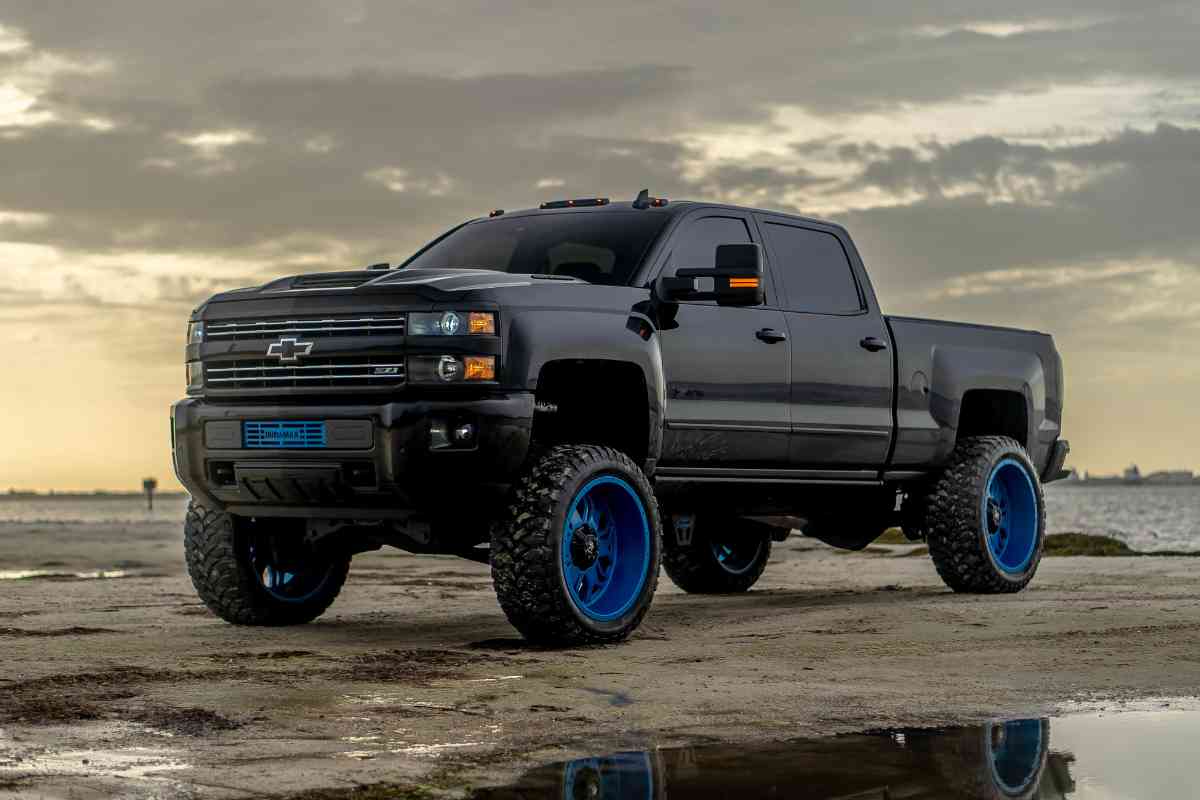
We’ve seen plenty of owners who lifted their rigs and never looked back. We’ve also talked to folks who regretted it six months later when they couldn’t fit in their garage or burned through shocks faster than expected. The truth is, lifting a truck affects everything from ground clearance to fuel economy, and making the right call means understanding what you’re really signing up for.
In this guide, we’re breaking down both sides. You’ll learn what each type of lift actually does, what it costs to install and maintain, and how it changes the way your truck drives, tows, and parks. By the end, you’ll know whether throwing a lift on your rig is the right move or if you’re better off sticking with stock height.
What Does It Mean To Lift A Truck?
Lifting a truck involves raising the vehicle’s body higher off the ground than it sits from the factory. You can accomplish this through different types of kits that either space out the body from the frame or modify the entire suspension system.
Understanding Lifted Trucks
When we talk about a lifted truck, we’re describing a vehicle that sits taller than it did when it rolled off the assembly line. The lift creates more space between the truck’s undercarriage and the road surface.
Most lifted trucks fall into the body-on-frame category. These include popular models like the Ford F-150, Chevy Silverado, and Ram 1500. This construction method makes lifting possible because the body attaches separately to a steel frame.
Body-on-frame vehicles are different from unibody cars and crossovers where the frame and body come as one piece. You can’t really lift a Honda Ridgeline the same way you’d lift a traditional pickup because of its unibody construction.
The amount of lift varies wildly. Some trucks get a modest 1 to 3 inches for looks and slightly bigger tires. Others go extreme with 6 inches or more for serious off-road work. We’ve even seen factory-lifted options like the Ford F-150 Raptor that comes with a 2.6-inch lift over the standard F-150.
Types Of Truck Lifts: Suspension vs. Body
The two main categories of truck lift kits serve different purposes and come with different price tags.
Body lift kits are the simpler and cheaper option. They work by inserting spacers between the frame and body of your truck. These kits typically cost between $400 and $800 and can raise your truck 1 to 3 inches. The catch is they don’t actually increase ground clearance under your truck. They just raise the body higher while everything underneath stays put.
Suspension lift kits are more complex and expensive but deliver real performance gains. These kits raise both the body and frame away from the axles. Suspension lift kits can cost anywhere from $1,000 to $20,000 depending on how high you want to go. They replace major suspension components like control arms, shocks, and leaf springs.
We prefer suspension lifts for serious off-roading because they actually increase ground clearance and improve wheel articulation. Body lifts work fine if you just want to fit bigger tires or like the tall truck look.
Common Reasons Truck Owners Choose A Lift
Most folks lift their trucks for three main reasons: appearance, off-road capability, or fitting larger tires.
The looks factor can’t be ignored. A lifted truck commands attention and gives your vehicle a more aggressive stance. Some truck owners simply want their ride to stand out in a parking lot.
Off-road enthusiasts need the extra ground clearance and wheel travel. When you’re crawling over rocks or navigating deep ruts, those additional inches between your differential and the obstacles make a real difference. Better suspension geometry also helps your wheels stay planted on uneven terrain.
Bigger tires are often part of the equation. Lifted trucks can accommodate larger tires that improve traction and give you more options for different terrains. A stock truck might max out at 33-inch tires, but a lifted one could run 35s or even 37s comfortably.
Some truck owners also lift for practical towing considerations. A leveling kit can help offset the front-end rake that many trucks have from the factory, which becomes more noticeable when towing heavy trailers.
The Pros Of Lifting Your Truck
Lifting your truck opens up real advantages that go beyond just looking cool in the parking lot. You gain actual functional benefits like tackling rougher terrain, fitting larger tires, and commanding a better view of the road ahead.
Improved Off-Road Capability
When we take our trucks off-road, a lift kit makes a massive difference in what trails we can handle. The extra suspension travel lets our wheels articulate better over rocks and ruts. This means we can keep more tires on the ground when the terrain gets gnarly.
A lifted truck with the right setup handles extreme off-road rock crawling situations that would stop a stock vehicle in its tracks. We’ve watched lifted rigs climb obstacles that seemed impossible at first glance. The added wheel articulation prevents our truck from getting high-centered on obstacles.
Off-roading becomes less stressful when we’re not constantly worried about scraping our undercarriage. We can focus on picking the right line instead of avoiding every rock. Whether we’re hitting desert trails or muddy forest roads, that extra capability gives us confidence to explore further.
Enhanced Ground Clearance
Ground clearance is the real game-changer for off-road performance. When we lift our truck, we’re creating more space between the undercarriage and whatever we’re driving over. A suspension lift raises both the body and frame from the axles, which actually increases the clearance underneath.
This matters most when we’re crossing deep ruts, rocky sections, or water crossings. Stock trucks often measure around 8 to 9 inches of ground clearance. A proper lift can push that to 10, 12, or even more inches depending on the kit.
The Ram TRX and Chevrolet Colorado ZR2 come with factory lifts that give them about 2 inches more clearance than standard models. But aftermarket lift kits let us go much higher if our off-road adventures demand it. More clearance also means we can fit larger tires without them rubbing against the wheel wells during compression.
Aesthetic Appeal And Customization
Let’s be honest. A big reason we lift our trucks is because they look amazing when done right. A lifted truck with bigger tires and larger wheels commands attention whether we’re cruising down Main Street or parked at the trailhead.
Custom trucks tell a story about who we are and how we use our vehicles. The aftermarket lift kit market offers endless options for personalizing our ride. We can choose mild leveling kits for a subtle stance or go big with 6-inch suspension lifts that completely transform the truck’s appearance.
The combination of ride height and wheel choice creates a unique look that sets our truck apart. Some of us prefer the aggressive stance of an off-road truck ready for adventure. Others just want their rig to stand out from the sea of stock vehicles in the grocery store parking lot. Either way, lifting gives us that custom appearance we’re after.
Better Visibility And Road Presence
Sitting higher off the ground gives us a real advantage in traffic. We can see over cars and SUVs in front of us, which helps us spot brake lights and traffic problems earlier. This improved sight line makes highway driving less stressful and safer.
Other drivers notice us more easily too. A lifted truck has serious road presence that makes us harder to miss in blind spots. We’ve found that cars tend to give us more space, probably because our truck looks more imposing.
The higher seating position also helps when we’re navigating tight trails or backing into camping spots. We get a better view of obstacles and terrain features that would be hidden in a stock truck. Parking lots become easier to navigate because we can see the lines and surrounding vehicles more clearly from our elevated perch.
The Cons Of Lifting Your Truck
Lifting your truck isn’t all trail glory and head turns at the gas station. We need to talk about the real costs, from what you’ll pay at the pump to how your truck handles on the highway.
Reduced Fuel Economy And Efficiency
Let’s start with the wallet punch nobody wants to admit. Lift kits themselves don’t tank your fuel economy much, but everything else that comes with them does.
The real culprit is those bigger wheels and tires you’re going to want. Heavier rubber means more rotating mass. Your engine has to work harder to get those wheels spinning and keep them moving. We’re talking an extra 50 to 100 pounds or more in tire weight alone.
Then there’s the aerodynamics. Lifting your truck creates more air resistance. Wind hits that tall, flat front end harder. Your fuel efficiency drops noticeably, especially on highway drives.
Suspension lift kits also add weight to your truck. More weight means more fuel burned. Stock trucks are engineered for efficiency at their factory height. Once you start changing that formula, your gas mileage suffers. Expect to lose 2 to 4 miles per gallon, sometimes more depending on how extreme your setup is.
Handling Changes And Rollover Risk
We’ve all seen those lifted trucks that look like they’re about to tip over in a stiff breeze. That’s not just an illusion. Raising your center of gravity makes your truck more prone to tipping.
Body roll gets worse when you’re lifted. Take a corner too fast and you’ll feel your truck lean hard to one side. What felt stable in your stock truck now feels sketchy. The higher you go, the worse it gets.
Your suspension components are working at different angles than the engineers intended. Coil springs and shocks are stressed in ways they weren’t designed for. This changes how weight transfers during turns, braking, and acceleration.
We’re not saying lifted trucks flip over left and right. But the physics don’t lie. A higher center of gravity means less stability. You need to adjust how you drive, especially in emergency situations or bad weather.
Increased Maintenance And Wear
Lifting your truck puts extra stress on parts that weren’t designed for it. Suspension lift kits cause components to wear out faster than factory parts. Your driveshaft operates at steeper angles, which increases friction and heat.
U-joints take a beating with the changed angles. Ball joints wear faster. CV axles on lifted trucks often need replacement sooner than stock. These aren’t cheap fixes either.
Bigger tires mean more strain on your brakes. They have to work harder to stop all that extra weight and momentum. Brake pads and rotors wear down quicker. Your wheel bearings also take more abuse from heavier wheels.
Alignment becomes trickier too. Lifted trucks need more frequent alignment checks. Your tires might wear unevenly if everything isn’t dialed in perfectly. Budget for more trips to the shop and higher maintenance costs overall.
Legal, Warranty, And Daily Driving Challenges
Your state probably has rules about bumper height and headlight position. Many lifted trucks exceed these limits. Check your local regulations before you lift, or you might end up with a ticket or inspection failure.
Insurance companies sometimes raise premiums for lifted trucks. They see them as higher risk. Some won’t cover aftermarket suspension modifications at all. Call your agent before you start bolting parts on.
Factory warranties can be voided by suspension lift kits. Dealers can refuse warranty claims if they blame failures on your modifications. You might need separate coverage for your lift kit components.
Daily driving gets annoying fast. Climbing into a truck lifted 6 inches gets old, especially in work clothes or bad weather. Parking garages become off limits. Loading groceries means lifting bags higher.
Towing takes a hit too. Your hitch sits higher, so you’ll need a drop hitch. That often reduces your maximum towing capacity. What your stock truck could pull safely becomes risky when lifted.
Body Lift Kits: Pros, Cons, And Best Uses
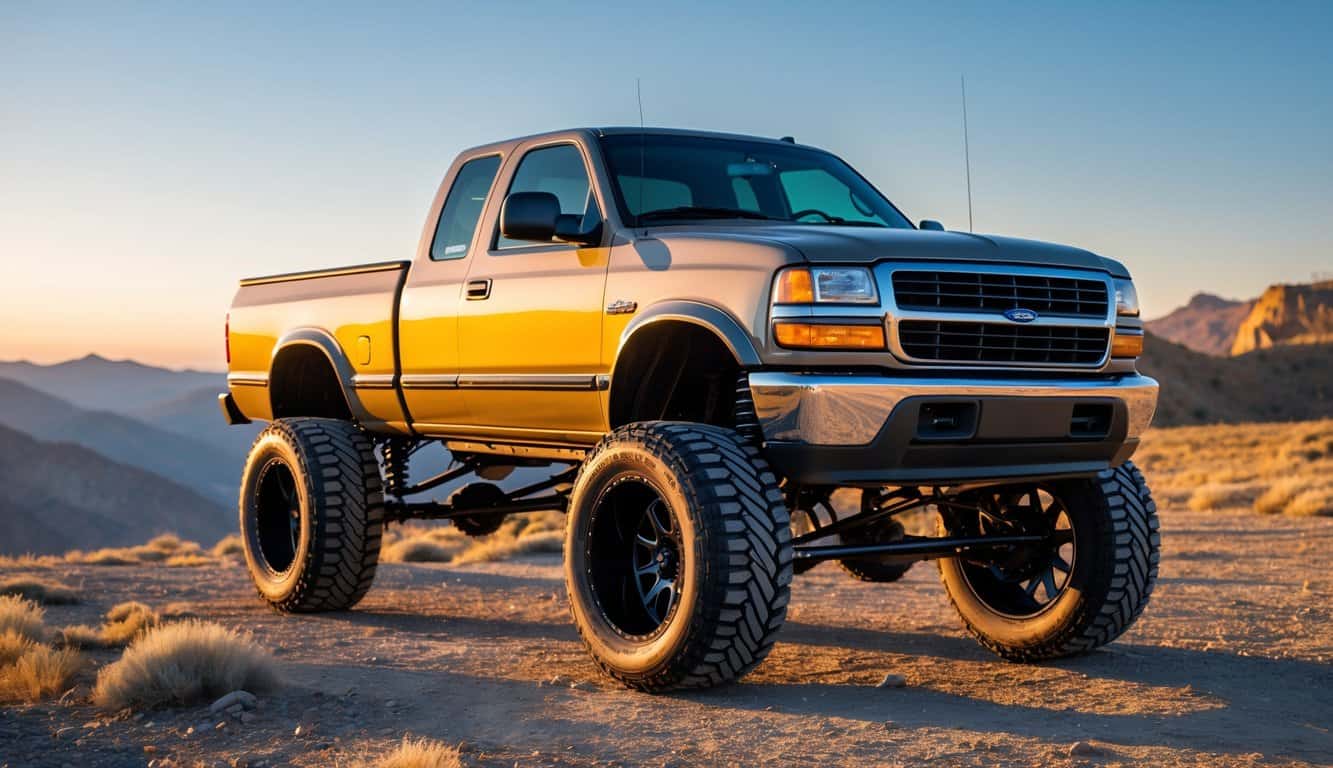
Body lift kits raise the body of your truck away from the frame using spacers, giving you room for bigger rubber without touching the suspension. They’re cheaper than suspension lifts and keep your factory ride quality, but they come with their own set of trade-offs worth understanding before you commit.
How Body Lift Kits Work
A body lift kit raises the truck’s body off the frame by installing spacers between the two. Most body-on-frame vehicles use body mounts that bolt the body to the chassis at specific points.
These spacers typically range from 1 to 3 inches in height. They’re made from polyurethane, aluminum, or steel depending on the kit quality and price point.
The installation process involves lifting the body, inserting the spacers at each mount point, and using longer bolts to secure everything. You’ll also need to extend things like the steering shaft, brake lines, and shifter linkage to account for the extra gap. It’s not rocket science, but it does require attention to detail.
Unlike a suspension lift that raises the entire truck by modifying the suspension components, a body lift only affects the body. Your frame, axles, and suspension geometry stay completely stock.
Benefits Of Body Lift Kits
The biggest win with body lift kits is the price tag. They cost significantly less than suspension lifts because you’re not replacing shocks, springs, or control arms.
You get space for larger tires without the expense of a full suspension overhaul. We’re talking 2 to 3 inches of extra clearance for bigger rubber, which makes a real difference on the trail.
Key advantages include:
- Maintained ride quality since your suspension stays factory
- Easier installation compared to suspension lifts
- Lower cost for similar tire clearance gains
- No major driveline angle changes that affect handling
Your truck also maintains its factory handling characteristics. The suspension geometry doesn’t change, so you’re not dealing with altered steering feel or potentially worse on-road manners. For daily drivers who want a modest lift, that’s huge.
The cost-effective solution makes body lifts attractive for budget-conscious builders. You can fit 35-inch tires on many trucks with just a 3-inch body lift and some trimming.
Drawbacks And Limitations
The most obvious issue is the gap between the body and frame. It’s visible and some folks think it looks awkward or unfinished compared to a suspension lift.
Body lifts also create additional stress on body mounts over time. The increased distance between body and frame means more flex and potential wear on those mounting points. We’ve seen trucks with worn mounts develop squeaks and rattles.
Common problems include:
- Visible gap that requires gap guards for a cleaner look
- Higher center of gravity without corresponding suspension improvements
- Limited ground clearance gains since axles stay at stock height
- Potential for driveline modifications with larger wheels and tires
Your turning radius can suffer because the body sits higher over the wheels. This creates clearance issues between tires and fenders during full lock turns, especially with larger wheels and tires.
Body lifts don’t improve approach or departure angles like suspension lifts do. The frame and axles remain at the same height, so you’re not gaining real off-road clearance where it counts most.
Suspension Lift Kits: What To Expect
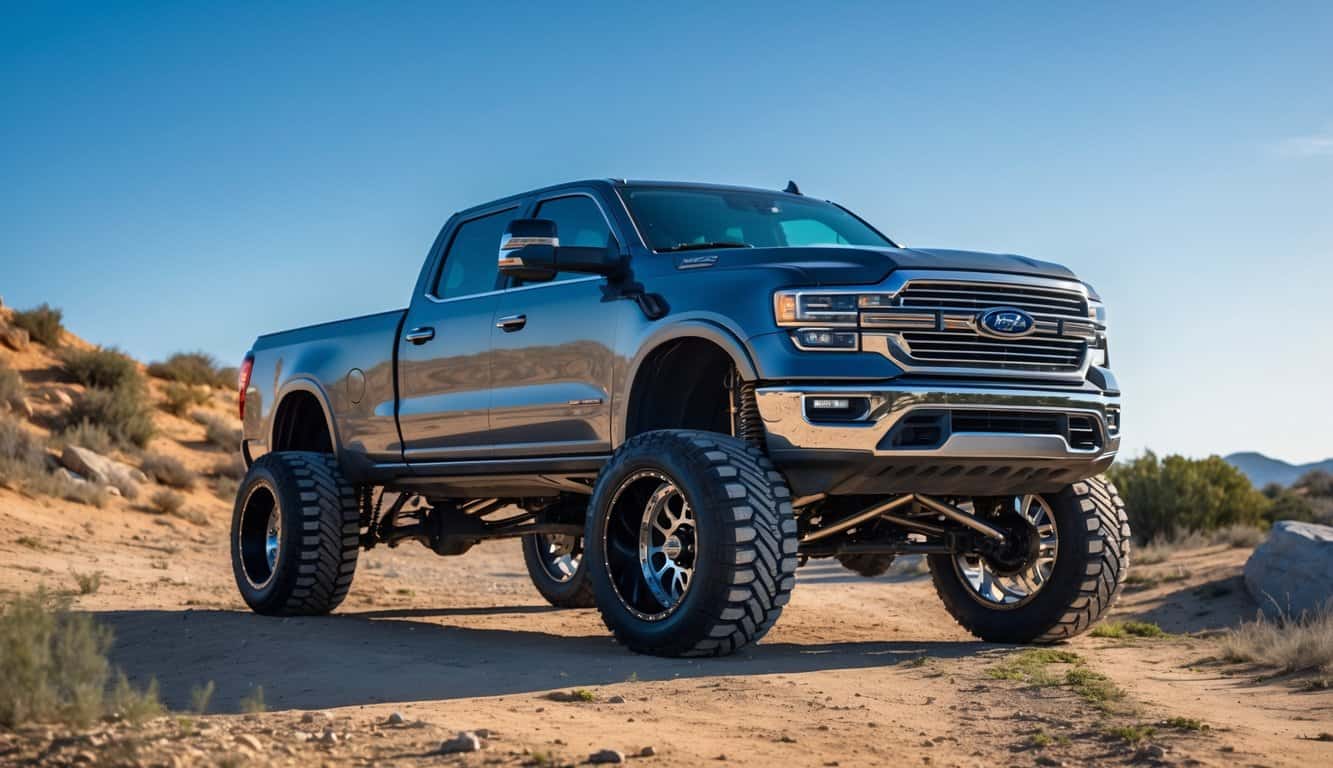
Suspension lift kits change everything from the frame down, replacing core parts like shocks, control arms, and sometimes even steering components. They deliver real ground clearance and better wheel travel, but they also come with costs and compromises you need to understand before you commit.
How Suspension Lift Kits Differ
A suspension lift kit works differently than a body lift. Instead of just spacing the body away from the frame, a suspension lift raises both the body and frame from the axles. This means you’re actually changing ride height at the suspension level.
The kit typically replaces major suspension components. You’ll get new shocks, longer control arms, and often new coil springs or leaf springs depending on your truck. Some kits even require new steering linkage to handle the increased angles.
This approach gives you real ground clearance. When you drive over rocks or ruts, the entire undercarriage sits higher. The frame, differential, and exhaust all benefit from the added height.
Common components in suspension lift kits:
- Extended shocks or coilovers
- Longer control arms
- Replacement coil springs or leaf springs
- Extended brake lines
- New steering components (on taller lifts)
Off-Road Advantages
The biggest win with a suspension lift kit is off-road capability. You get more wheel articulation, which means your tires stay planted on uneven terrain. When one wheel drops into a hole, the suspension can flex further before lifting the opposite wheel off the ground.
Increased ground clearance and bigger tires work together for serious trail performance. We’ve taken lifted rigs over obstacles that would have scraped or high-centered a stock truck. The extra clearance protects your oil pan, transfer case, and exhaust from damage.
Larger tires become possible without rubbing. Most suspension lift kits let you run 33-inch tires or bigger. Those taller tires give you more contact patch and better traction in mud, sand, and over rocks.
Common Pitfalls And Considerations
Suspension lift kits cost significantly more than body lifts. You’re looking at $1,000 to $20,000 depending on height and quality. Installation takes 12 to 20 hours if you’re doing it yourself, and professional installation adds more to the bill.
The lifted components wear faster than factory parts. Increased driveshaft angles put extra stress on u-joints. Your CV axles work at steeper angles, which can lead to premature failure.
Towing gets more complicated. The higher frame means your hitch sits higher, often requiring a drop hitch. That drop reduces your maximum towing capacity because it changes leverage and weight distribution.
Watch out for these issues:
- Warranty concerns on newer trucks
- Possible insurance premium increases
- Harder entry and exit from the cab
- Reduced fuel economy with added weight
- State height regulations for bumpers and headlights
Practical Considerations Before You Lift
Lifting your truck changes more than just how it looks. It affects how you use it for work, what kind of lift kit makes sense for your setup, and whether you’re tackling the install yourself or letting a pro handle it.
Towing And Hauling With A Lifted Truck
When we lift a truck, we often gain ground clearance and better off-road capability. But towing and hauling get more complicated.
The biggest issue is hitch height. A lifted truck raises your receiver, which can create an uneven connection with your trailer. This leads to poor weight distribution and handling problems on the road.
That’s where a drop hitch comes in. It lowers the ball mount so your trailer sits level again. We recommend getting an adjustable version that lets you dial in the exact height you need.
Lifted trucks can actually improve hauling capacity in some cases because there’s more room for the suspension to compress under heavy loads. The bigger tires also provide more contact with the road surface.
Keep in mind that extreme lifts can affect your truck’s ability to handle weight properly. The higher center of gravity means you need to be more careful with top-heavy loads. Some insurance companies and state laws have restrictions on lifted trucks used for commercial towing, so check those rules before you modify.
Choosing The Right Lift Kit For Your Needs
Not all lift kits are created equal. We need to match the kit to how we actually use our trucks.
Body lift kits are the cheapest option, ranging from $400 to $1,200 for a 2-inch lift. They raise the body off the frame using spacers but don’t change the suspension. These work fine if you just want bigger tires and a taller look.
Suspension lift kits are more involved and cost between $1,100 and $1,400 for 6 inches or more. These modify your actual suspension system and improve off-road performance. They’re what we recommend for serious trail work.
Here’s what we consider when choosing a truck lift kit:
- What tire size do you want to run?
- Will you be off-roading regularly or just occasionally?
- How much towing and hauling do you do?
- What’s your realistic budget including installation?
Some manufacturers now offer dealer-installed lift kits or even a factory-lifted truck option. These maintain your warranty, which is huge if you’re buying new. Aftermarket lift kits void most warranties, so timing matters.
Professional Or DIY Installation?
Installing a lift kit yourself saves serious money. Professional installation typically costs as much as the kit itself, anywhere from $400 to $1,500 or more depending on complexity.
But this isn’t a weekend beginner project. Even experienced mechanics need 7 to 15 hours to properly install a suspension lift. For us home wrenchers, expect to double that time.
You’ll need specific tools we might not have sitting around:
- Vehicle jacks and multiple jack stands
- Torque wrench (non-negotiable for safety)
- Full socket set
- Potentially spring compressors for suspension work
We’ve found that body lifts are more DIY-friendly than suspension lifts. They involve fewer critical safety components and less complexity overall.
If you’re not comfortable working under a vehicle supported by jack stands, or if you’ve never dealt with suspension components, hire a professional. Mistakes during installation can lead to dangerous handling issues or component failure. Some shops will install an aftermarket lift kit you purchased elsewhere, though they may charge more than if you bought the kit through them.
Remember that professional installation often includes a post-install alignment and safety check. Don’t forget to factor in the cost of running boards or side steps if your lift makes entry and exit difficult.
Ownership Insights And Real-World Tips
Buying a lifted truck is just the beginning. You’ll need to know where to find quality options, what daily driving actually feels like, and whether your investment will hold up when it’s time to sell.
Finding Lifted Trucks For Sale
When we’re hunting for lifted trucks for sale, we’ve learned to look beyond the flashy photos and big tires. The smartest move is deciding whether you want a professionally lifted truck or plan to modify a stock truck yourself.
Factory-lifted options from brands like Chevrolet, Ford, and Toyota come with warranties intact. That’s huge. A Chevrolet Colorado ZR2, for example, comes lifted from the factory with proper engineering and dealer support. You won’t worry about voided warranties or sketchy workmanship.
If you’re shopping for custom trucks that someone else lifted, we always inspect the work carefully. Ask for receipts and documentation. Check who did the installation and what parts they used.
Quality lift kits from reputable brands matter more than height. A poorly installed 6-inch lift will cause more headaches than a well-done 3-inch setup. Look underneath the truck yourself or bring a mechanic you trust.
Online marketplaces and specialty dealerships often have the best selection. We’ve found great deals at both, but private sales require extra caution. Don’t rush the process just because a truck looks good in photos.
Living With A Lifted Truck Daily
Daily driving a lifted truck feels different than stock trucks, and we’re not going to sugarize it. Getting in and out requires an extra step or grab handle. Our knees remind us of this every single time.
Parking garages become a legitimate concern. We’ve had to skip certain structures entirely because the clearance just isn’t there. Drive-throughs can get awkward too, especially at banks where the tube system sits at normal car height.
Fuel economy takes a noticeable hit. The larger tires and increased wind resistance mean more stops at the pump. We budget an extra $50 to $100 monthly depending on how much we drive.
The ride quality changes as well. Lifted trucks can have a stiffer, rougher ride on paved roads compared to stock suspension. Highway driving at speed requires more attention because the higher center of gravity affects handling during lane changes.
But when weather gets nasty or we hit the trails, that’s when everything clicks. The extra clearance and visibility make difficult conditions feel manageable.
Resale Value And Long-Term Ownership
We’ve seen lifted trucks command improved resale value when done right. The truck market loves customization, and buyers will pay extra for quality work they don’t have to do themselves.
Professional installations with documentation help tremendously during resale. Keep every receipt, photo, and spec sheet for the parts you used. Potential buyers want proof the work was done correctly.
Maintenance costs run higher than stock trucks over time. Larger tires cost more to replace. Alignments need to happen more frequently. Suspension components wear differently under lifted geometry.
We recommend setting aside an extra maintenance fund if you’re planning long-term ownership. Factor in these costs before you commit:
- Tire replacements every 40,000 to 50,000 miles
- More frequent alignment checks
- Potential drivetrain wear from larger tire diameter
- Brake component upgrades if you’re hauling or towing
The trucks that hold value best are ones that balance form and function. A tastefully lifted truck with quality parts and clean maintenance records will always find buyers. Go too extreme with height or modifications, and you limit your market significantly.
Frequently Asked Questions
Lifting a truck brings up a lot of practical questions that go beyond just how it looks parked at the trailhead. We’ve tackled the most common concerns we hear from readers who are trying to figure out if a lift is the right move for their situation.
What are the real-world advantages of lifting my truck?
The biggest advantage we’ve seen is improved ground clearance. This matters when you’re crawling over rocks, crossing streams, or navigating ruts that would scrape a stock truck.
Bigger tires fit better with a lift, which helps with traction off-road. We’ve also noticed that suspension lift kits increase wheel articulation, which means your wheels can move up and down more independently. That’s huge for maintaining contact with uneven terrain.
The improved approach and departure angles make a real difference too. We’ve gotten into trails that would have torn off a stock bumper.
How might lifting my truck impact its resale value?
A reasonable lift can actually help resale if you find the right buyer. Someone shopping for an off-road rig might pay more for a truck that’s already set up.
The challenge is that you’re narrowing your buyer pool. Not everyone wants a lifted truck for daily driving or hauling kids around.
Extreme lifts tend to hurt resale value because they limit who can realistically use the vehicle. We’ve seen trucks sit on the market longer when they’re lifted more than six inches. Keep receipts for all the work done, and stick with quality parts if resale matters to you.
Could a 2-inch lift lead to any long-term issues with my truck?
A modest 2-inch lift is usually pretty safe if it’s installed correctly. We’ve run setups like this for years without major problems.
The main concern is wear on drivetrain components. Lifting changes driveshaft angles, which can create extra stress over time. CV joints and u-joints might wear faster than they would on a stock truck.
Suspension components also see different forces. If you’re using spacers instead of a complete kit, you might compress coil springs beyond safe limits. We always recommend going with a proper kit from a reputable manufacturer rather than cutting corners.
What should I consider when thinking about leveling versus lifting my truck?
Leveling kits bring the front up to match the rear, which many trucks need because they come with a factory rake. This is the simplest option and costs between $200 and $600.
Leveling gives you a more aggressive stance and room for slightly bigger tires up front. It doesn’t raise your entire truck or add ground clearance under the frame.
A full lift raises everything, including the frame, which gives you true ground clearance gains. The trade-off is cost and complexity. We’ve found leveling works great if you just want better looks and slightly bigger rubber without changing how the truck drives much.
Are there any daily driving challenges I might face with a lifted truck?
Getting in and out becomes a bigger deal than you’d think. We’ve helped friends with 6-inch lifts who practically need running boards or rock sliders just to climb into the cab gracefully.
Parking garages and drive-throughs can be tricky. Before lifting, measure your garage door height if you park inside. Some HOAs have rules about lifted trucks too.
Fuel economy usually takes a hit, mostly because of the bigger tires that come with lifts. Wind resistance goes up, and heavier wheels require more energy to turn. We’ve seen drops of 2 to 4 mpg depending on tire size.
When buying a lifted truck, what are the key factors I need to check?
Look at who did the work first. A factory-lifted truck comes with warranty coverage, which gives you peace of mind. Aftermarket lifts installed by reputable shops are usually fine, but backyard jobs can be sketchy.
Check all the components that were changed. Ask for receipts and documentation showing what parts were used. Quality kits from brands like BDS, Rough Country, or Fox matter more than lift height.
Inspect the driveshaft angles and look for unusual wear on CV boots or u-joints. We always get under the truck with a flashlight to check for leaks, loose bolts, or signs that components are stressed. Test drive it at highway speeds to feel for vibrations that might indicate poor installation.
Lifted trucks have become quite trendy, which means if you decide to sell your truck, it will have an improved resale value. There will never be a decline of truck lovers who crave a big, strong truck. You will be able to sell your vehicle much faster and for more money than one which was not previously lifted. Consider it an investment!
Is a lifted truck worth it?
A lifted truck is worth it if you off-road regularly, need ground clearance, or want the look. The downsides: reduced MPG, harder to enter/exit, reduced towing capacity, and higher cost of ownership. For pavement-only driving, the money is better spent elsewhere.